
If you are dealing with wrong fuel in a van in Scotland, you need clear facts fast. Wrong fuel in a van is different from a car, and you need to understand how and why to avoid serious damage and cost. Vans often use diesel engines, carry larger fuel loads, and work harder than most cars. This guide explains the key risks and what actions protect your engine.
As a company driver, tradesperson, fleet manager, or self‑employed van owner, your vehicle keeps your work moving. A mistake at the pump can stop your day and harm vital parts if you start the engine. Simple Fuel Solutions provides 24/7 support across Scotland and handles all van types with professional wrong-fuel recovery.
You will see why larger tanks mean more contaminated fuel, why petrol in a diesel van often causes greater damage, and what steps protect both private and fleet vehicles. You will also learn what to report, who to call, and how fast action limits repair costs.
Wrong fuel in a van in Scotland calls are more common than many drivers expect. If you drive for work, manage a fleet, or run your own van, you need to know this: wrong fuel in a van is different from a car, and this post explains exactly how and why. Simple Fuel Solutions covers all van types 24/7 across Scotland and provides fast wrong-fuel recovery when you need it most.
Why Vans Face a Higher Risk of Misfuelling
(For Illustrative Purposes Only)
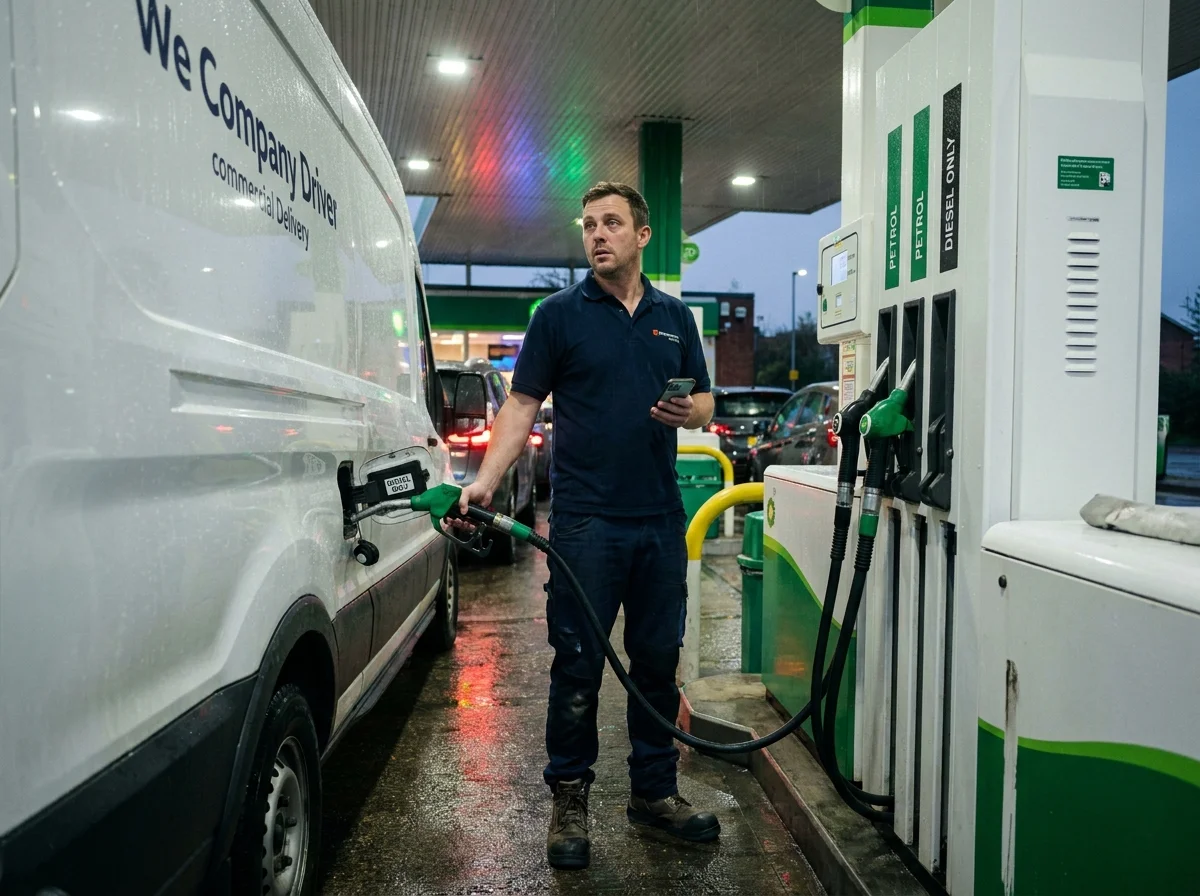
Van drivers often refuel under pressure. You may stop between jobs, during long shifts, or late at night. This rush increases the chance of putting the wrong fuel in a van.
Many vans are diesel, while family cars at home may be petrol. If you switch between vehicles, you may grab the wrong nozzle without thinking. This simple habit leads to cases of petrol in a diesel van or diesel in a petrol van.
Commercial use also raises risk. A commercial vehicle wrong fuel mistake can happen when several drivers share the same van. Fleet managers across Scotland report more cases of van misfuelling in Scotland when vehicles change hands.
Vans often have larger tanks than cars. That means more contaminated fuel enters the system before you notice. The table below shows how this affects response needs:
| Issue | Car | Van |
|---|---|---|
| Tank size | Smaller | Larger |
| Business impact | Personal delay | Lost work time |
| Recovery need | Standard | Often urgent |
Because vans support your income, you may need an emergency van fuel drain rather than waiting for it. Services such as mobile van fuel drain, LCV wrong fuel recovery, and van fuel drain Scotland operate on-site to reduce downtime.
Does petrol in a diesel van cause more damage than in a car?
(For Illustrative Purposes Only)
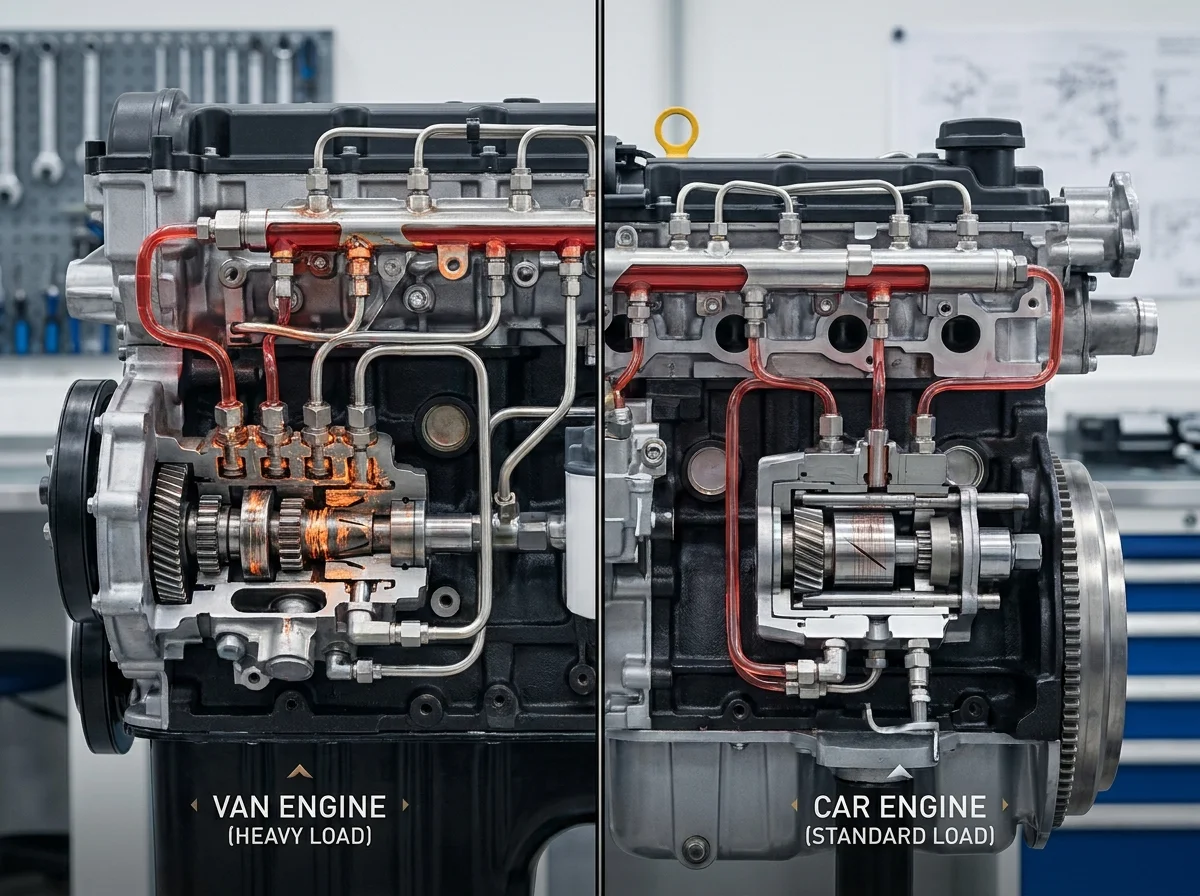
Petrol in a diesel engine causes damage in the same basic way, whether you drive a van or a car. Petrol reduces the fuel’s natural lubrication. This can lead to metal-to-metal contact inside the fuel pump and injectors.
The key difference is not the fuel itself, but the vehicle.
Many vans use larger diesel engines and heavy-duty fuel systems. These often run at higher pressures than small car engines. If you start the engine, petrol can spread quickly through the system and increase wear.
Common risks include:
- Damage to the high-pressure fuel pump
- Worn or seized injectors
- Contaminated fuel lines and filters
If you drive a working van, the impact can feel greater. You may rely on it daily for jobs, deliveries, or fleet work. Downtime and repair costs can hit harder than with a private car.
In some cases, van repair bills can be higher simply because parts are larger or more complex. However, the type of damage follows the same pattern in both vehicles. The longer the engine runs on petrol, the greater the risk of serious wear.
If you realise the mistake before starting the engine, you can often limit the damage to a drain and flush.
Bigger fuel tanks mean more contamination to remove.
(For Illustrative Purposes Only)
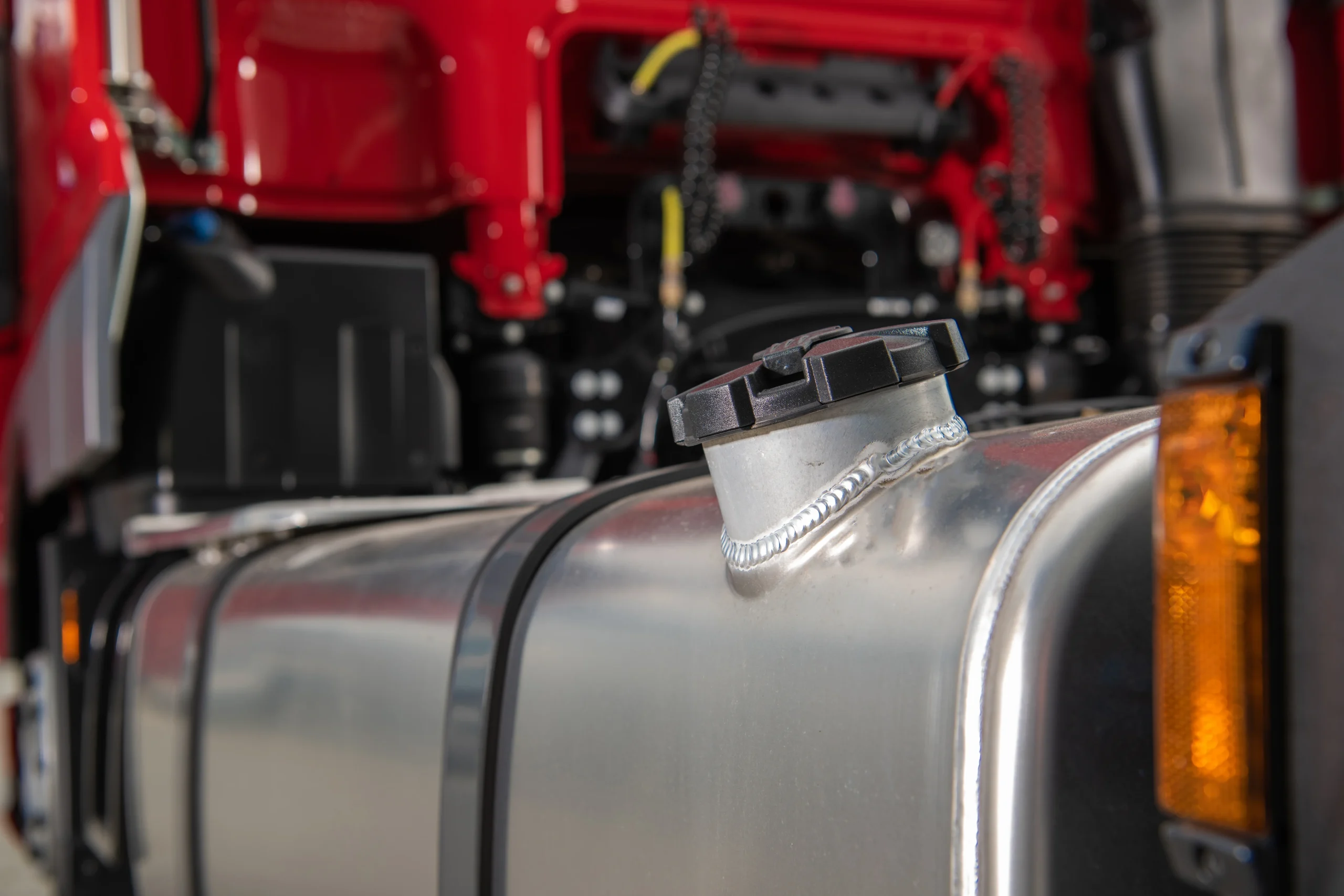
A large van fuel tank holds far more fuel than a standard car. A Ford Transit diesel tank can hold up to 80 to 100 litres, depending on the model. A Mercedes Sprinter fuel tank capacity can reach 100 litres, while a typical family car holds around 50 to 65 litres.
When you fill a near-empty van, you can pump in a large amount of the wrong fuel before you notice. The greater the transit fuel tank litres or Sprinter fuel tank capacity, the higher the contamination volume van specialists must remove. That means more mixed fuel sitting in your system.
More contaminated fuel takes longer to drain and flush. On-site time is often slightly longer than with a standard car because engineers must remove and safely store a higher volume.
You do not need to worry about tank size. Simple Fuel Solutions uses UN-approved, ATEX-certified equipment designed to handle tanks of all sizes, including the largest commercial vehicle tanks.
Our Van Fuel Drain Service: Every Common Van Covered
(For Illustrative Purposes Only)
You get a specialist van fuel drain Scotland service for every make and model. We cover Ford Transit, Mercedes Sprinter, Vauxhall Vivaro, Renault Trafic, Volkswagen Transporter, Peugeot Expert, Citroën Dispatch, Toyota Proace, and any other van on UK roads.
Whether you need a Ford Transit fuel drain, a Sprinter fuel drain in Scotland, or a Vivaro fuel drain, we come to you. Our technician attends your forecourt, roadside, car park, or customer site with fully mobile equipment.
We are Scotland’s only PAS43 and ISO9001-certified fuel drain company. We use UN-approved and ATEX-certified equipment for safe, compliant work on any commercial vehicle fuel drain Scotland job.
You can book 24/7 across Scotland from £129. See our full service, our Glasgow team, or view all our coverage areas.
Call 0800 246 5297 for immediate help.
Wrong Fuel in a Company Van: Fleet Manager Protocol and Documentation
(For Illustrative Purposes Only)
- Stop the engine immediately. Make sure the driver does not start the van. Set this rule in your fleet policy and brief all drivers before any incident occurs.
- Call Simple Fuel Solutions on 0800 246 5297 (24/7). Arrange professional fuel drainage at the vehicle’s location. Quick action reduces repair risk and limits vehicle downtime.
- Document the incident in full. Record the key details for your internal report and compliance file:
- Vehicle registration
- Driver name
- Date and time
- Incorrect fuel type added
- Estimated quantity (if known)
- Location of the incident
- Notify your motor fleet insurer. Check your policy schedule carefully. Many standard fleet policies exclude misfuelling unless you have added it as an extension.
- Keep the fuel drain invoice. Retain it for your insurance claim and for HMRC fleet fuel records. Accurate paperwork protects your business and supports audit requirements.
Frequently Asked Questions
Putting the wrong fuel in a van can damage the fuel system, especially in modern diesel models with high-pressure components. The level of risk depends on the fuel type, how much you added, and whether you started or drove the vehicle.
What happens if you accidentally put petrol in a diesel van?
If you put petrol in a diesel van, the petrol reduces the lubrication that diesel normally provides to the fuel pump and injectors. This can cause rapid wear and internal damage. If you start or drive the van, contaminated fuel can spread through the system and increase repair costs.
How far can you drive after misfuelling a diesel vehicle before damage occurs?
You can cause damage within a few miles of driving with petrol in a diesel system. Modern diesel vans use high-pressure pumps that rely on diesel for lubrication. Even short journeys can lead to metal wear and debris in the fuel system, which may require full flushing and parts replacement.
What symptoms suggest a van has been filled with the wrong fuel?
Common signs include difficulty starting, engine misfiring, loss of power, excessive smoke, and unusual engine noise. Your van may also stall shortly after leaving the forecourt. These symptoms often appear quickly once contaminated fuel reaches the engine and injectors.
If you add a small amount of petrol to a diesel tank, is it safe to dilute it by filling up with diesel?
If the petrol makes up less than about 5 per cent of the tank, some drivers choose to dilute it by topping up with diesel. This carries risk, especially in modern vans. You reduce potential damage by not starting the engine and arranging a professional drain instead.
How does the risk differ between modern vans and older models with diesel engines?
Modern diesel vans face a higher risk because they use common rail systems with very tight tolerances and high-pressure pumps. These parts depend on proper lubrication. Older diesel engines are generally more tolerant, but you can still cause wear, poor running, and costly repairs.
