
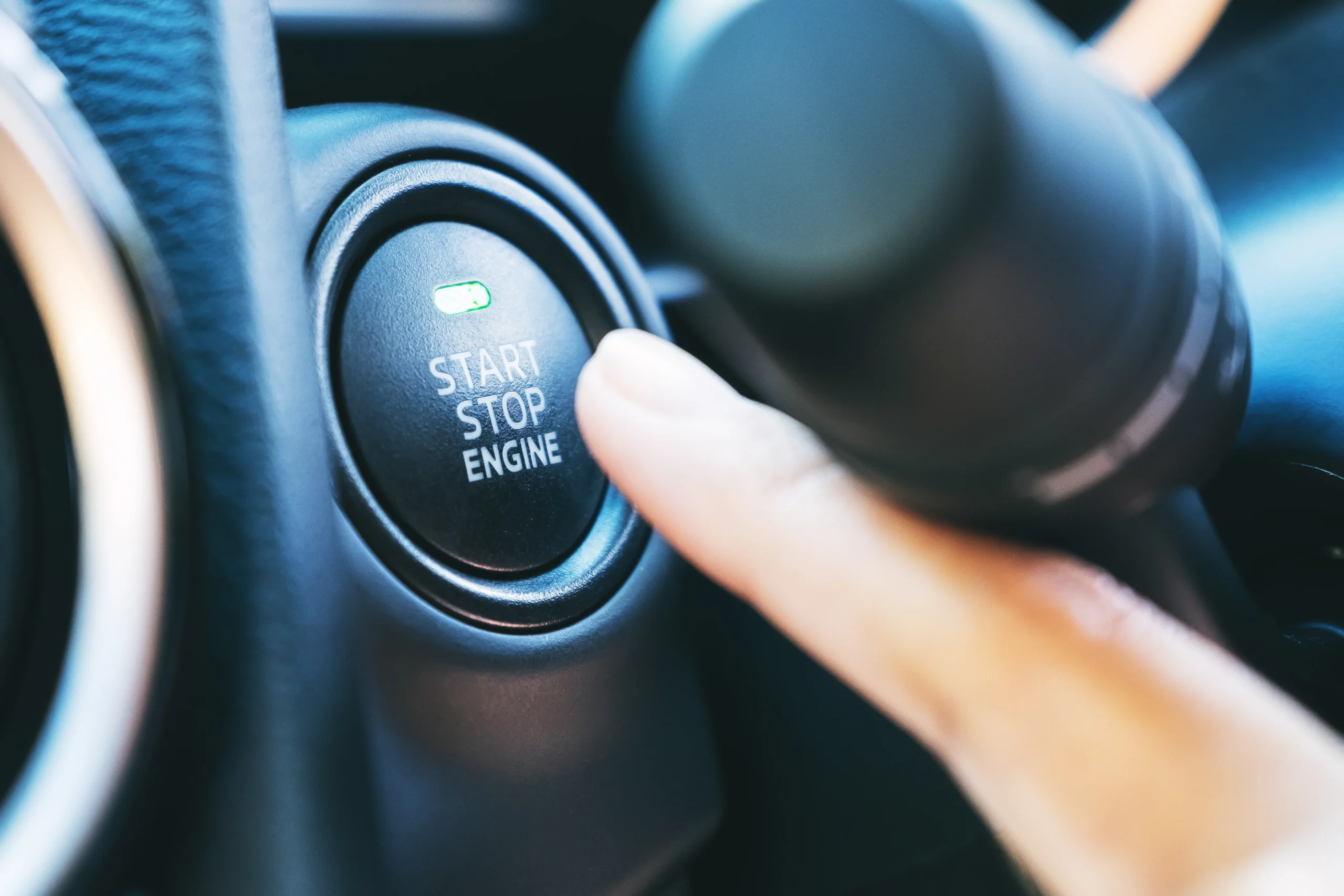
Putting the wrong fuel in your car happens more often than you’d expect. Every three minutes in the UK, someone makes this mistake at the petrol station.
The real problem isn’t just filling up with the wrong fuel; it’s what happens after you turn the key.
If you start your engine after misfuelling, contaminated fuel runs through your fuel system. This can seriously damage key engine components such as fuel pumps, injectors, and spark plugs.
The impact depends on whether you’ve put petrol in a diesel car or diesel in a petrol car. Petrol in a diesel engine is usually worse because diesel acts as a lubricant, and petrol strips this away, letting metal parts grind together.
You can usually prevent major damage if you spot the mistake before starting the engine. Knowing what happens when you start your car after misfuelling helps you act fast and could save you a lot of money.
Key Takeaways
- Starting your engine after misfuelling pushes contaminated fuel through the system and causes the worst damage
- Petrol in a diesel car damages fuel pumps and injectors by increasing friction, while diesel in a petrol car clogs spark plugs and causes misfiring
- Turn off your engine right away, don’t restart it, and call for misfuel recovery to drain and flush your fuel system
Why Starting the Engine After Wrong Fuel Is the Critical Mistake
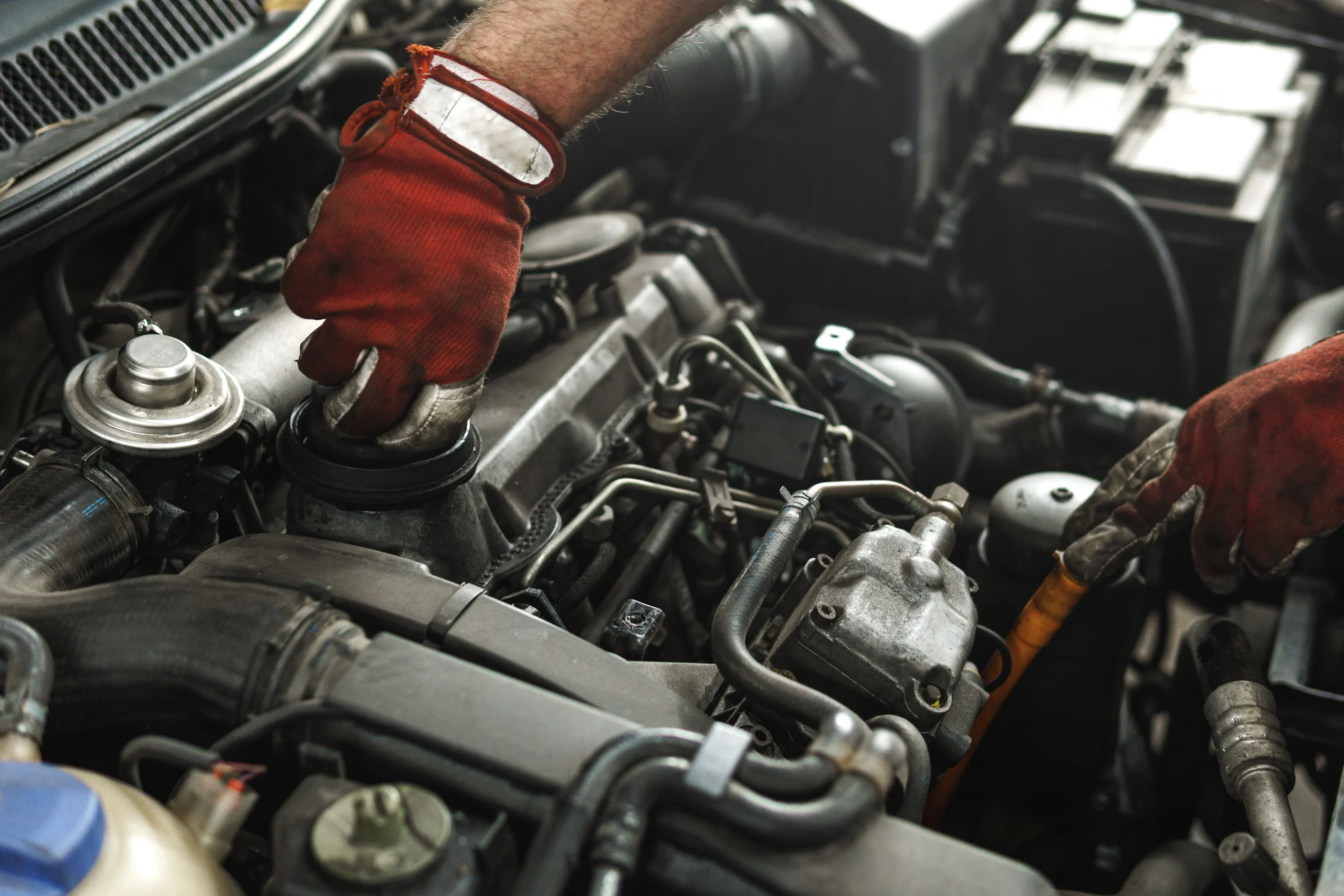
What Happens Before You Start vs. After You Start the Engine
Before you start the engine, the wrong fuel just sits in your tank. No damage has spread to other parts yet.
Your fuel pump stays off, and your injectors haven’t touched the wrong mixture. Once you turn the key, though, everything changes.
The fuel pump kicks in, sending contaminated fuel through the system. It flows down the fuel lines, reaches the injectors, and enters the combustion chamber. In seconds, the wrong fuel touches parts it should never reach.
If you catch the mistake before starting, you need only a fuel drain, which other drainers usually cost £150 to £300, but we at Simple Fuel Solutions cost £129.
If you start the engine, repair bills can jump to over £5,000 for a full fuel system replacement.
Mechanical Impact on Diesel Engines
Diesel lubricates diesel engines and keeps the metal parts from grinding against each other. Petrol is a solvent that removes this lubrication if you put it in a diesel car.
With petrol in a diesel engine, almost immediate friction of moving parts occurs. Without any protection, metal rubs against metal, and the fuel pump can wear out quickly.
The fuel system itself had suffered the most; the high-pressure common-rail injection system is dependent on the diesel’s lubricating quality.
Parts at risk:
- Fuel pump (can be expensive)
- Fuel injectors
- Fuel lines and seals
- High-pressure fuel system
- Fuel tank
Damage gets worse every second your engine runs. Even a short drive can destroy the fuel pump and force you to replace the whole system.
Mechanical Issues in Petrol Engines
Using diesel instead of petrol causes new problems. Because diesel has a higher boiling point than petrol, it is thicker and heavier, so pure diesel isn’t ignited exactly in the petrol engine.
When you start the engine with diesel, the diesel gets all over your spark plugs and prevents them from sparking. This will result in a misfire of your engine and lots of smoke as well.
Diesel blocks fuel filter sooner than petrol. Its engine can die, or it will refuse to restart.
Putting diesel in a petrol car generally does not lead to as much permanent damage compared to putting petrol in a diesel, but you still will need the system drained straight away.
Extent of Engine and Fuel System Damage
The longer your engine runs on the wrong fuel, the more damage spreads. A brief ignition might only hit your fuel pump and injectors.
Driving further can damage your catalytic converter, engine block, and exhaust. Modern engines with complex fuel injection systems suffer more than older models. High-pressure direct injection systems in newer cars cost much more to fix.
What Happens When You Put Petrol in a Diesel Car and Start the Engine?
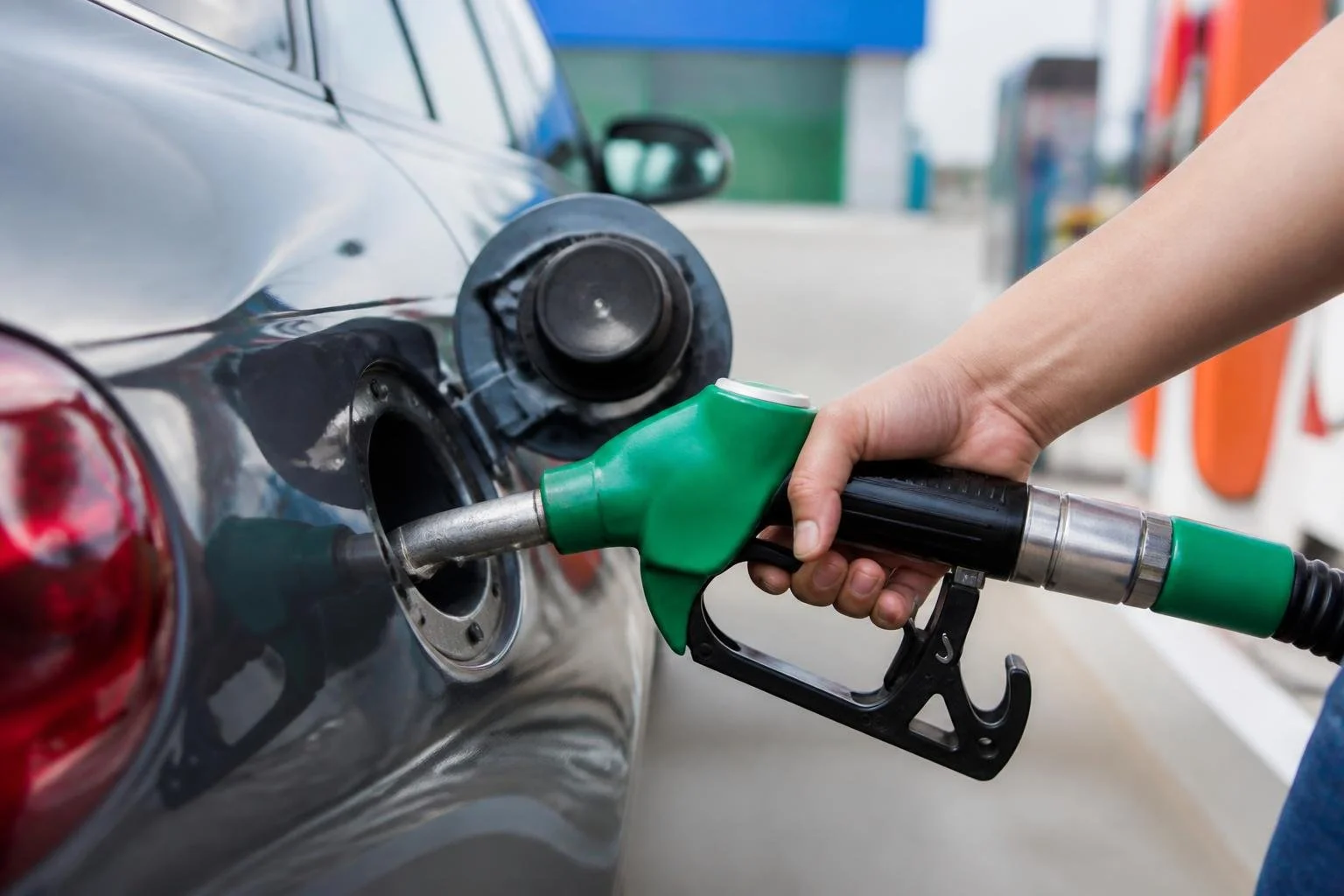
Petrol acts like a solvent in diesel systems, stripping away lubrication and causing friction damage as soon as you turn the key. The engine might run rough for a bit before stalling or refusing to start.
How Petrol Behaves Inside a Diesel Fuel System When the Engine Runs?
Start the engine with petrol in the tank, and contaminated fuel enters the fuel pump right away. Petrol can’t provide the lubrication diesel offers to moving parts, so metal starts grinding together.
The petrol dissolves lubricating oils on the injectors and pump, creating friction and heat. The fuel filter can’t separate petrol from diesel, so the mix flows straight into your engine.
Key symptoms of wrong fuel in a car:
- Engine misfiring or running rough
- Excessive smoke from the exhaust
- Loss of power
- Engine stalling
The longer the engine runs, the more petrol spreads through the system. More parts get damaged, including fuel lines, injectors, and pump mechanisms.
What Petrol Does to Diesel Fuel Injectors Upon Engine Start
Your fuel injectors take a hit as soon as petrol enters them. Symptoms of petrol in a diesel car commonly appear in seconds after starting.
Injectors depend on the oily properties of diesel to function properly. This protection is removed with petrol, and the injector needles seize or wear out quickly.
In a diesel engine, the wrong fuel fails to ignite fully, resulting in incompletely burnt fuel that generates excessive heat and pressure.
Injectors can become blocked as the petrol is not burning properly. Petrol car symptoms of diesel in the petrol engine are a little different; simply put, the diesel won’t light up. In a diesel car, however, petrol is a chemical and mechanical destroyer.
The fuel pump can fail, losing lubrication and overheating.
How to Spot Contaminated Fuel and Bad Petrol
Contaminated fuel symptoms show up fast once you start driving. The engine struggles to keep power or may cut out entirely.
You might hear odd knocking sounds or see too much smoke from the exhaust.
Common symptoms:
- Difficulty starting after stalling
- Strong smell of unburnt fuel
- Dark or odd-coloured exhaust smoke
- Dashboard warning lights
- Engine refusing to restart
Bad petrol can also cause rough idling and sudden loss of acceleration. If you notice any wrong fuel symptoms, switch off the engine right away.
What Happens When You Put Diesel in a Petrol Car and Start the Engine
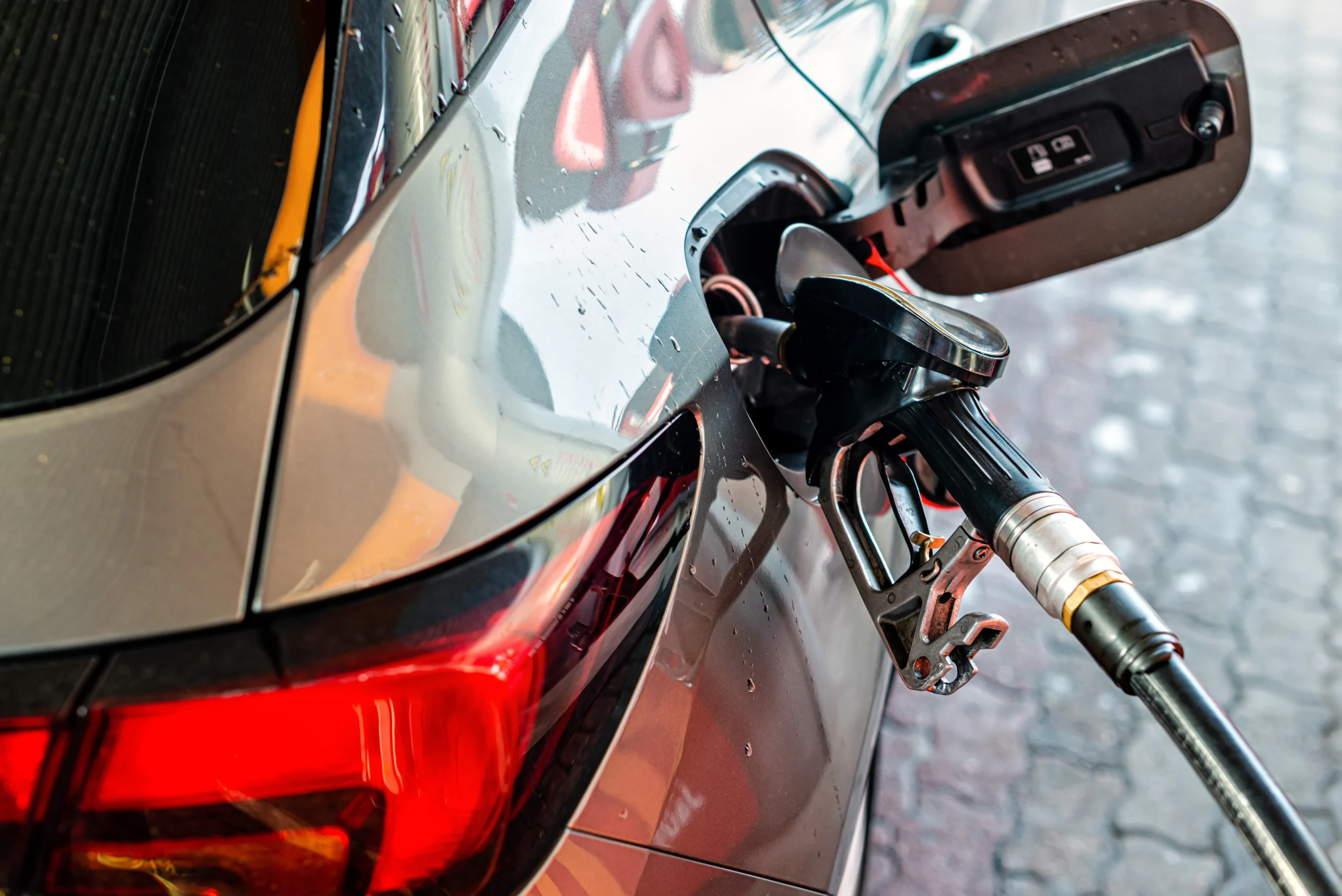
How Diesel Behaves in a Petrol Fuel System After Ignition
Start the engine after putting diesel in your petrol car, and the fuel pump pushes diesel through the lines. Diesel is thicker and moves more slowly than petrol.
The fuel filter struggles with the heavier diesel. Some diesel reaches the combustion chamber, but most coats the inside of fuel lines and injectors within seconds.
If you’ve driven even a short distance, diesel spreads through the whole system. The fuel pump works harder since diesel doesn’t flow as easily. This extra strain can damage the pump, but it usually doesn’t fail right away.
Why a Petrol Engine Cannot Combust Diesel Properly
Spark plugs, which ignite a fine mist of fuel, are used in petrol engines. Diesel doesn’t vaporise at the same temperatures as petrol (thus entering in heavy droplets, not a mist).
Your spark plugs go off, but you’re not going to burn diesel. Diesel requires such high compression to combust, something petrol engines cannot provide.
This leads to bad misfires. You’ll also feel the symptoms of rough running, loss of power or stalling. Exhaust also thickens with black smoke as unburnt diesel is forced out. The car may stall, but it does not start again.
What happens to the spark plugs, catalytic converter, and Fuel Lines When Diesel Enters a petrol engine?
Diesel quickly coats spark plugs with a thick, oily layer. This blocks proper sparks and causes more misfiring. The spark plugs will need cleaning or replacement.
Fuel injectors clog with diesel residue and soot. These parts have tiny nozzles for petrol, so diesel blocks them easily. Soot builds up fast when diesel doesn’t burn right.
The catalytic converter is at risk if you drive with diesel in the tank. Unburnt diesel can overheat or ruin the converter. You’ll also need to flush the fuel lines and filter to get rid of diesel and restore normal operation.
What to Do Next: Actions and Recovery Options
Stopping the Engine and Minimising Damage
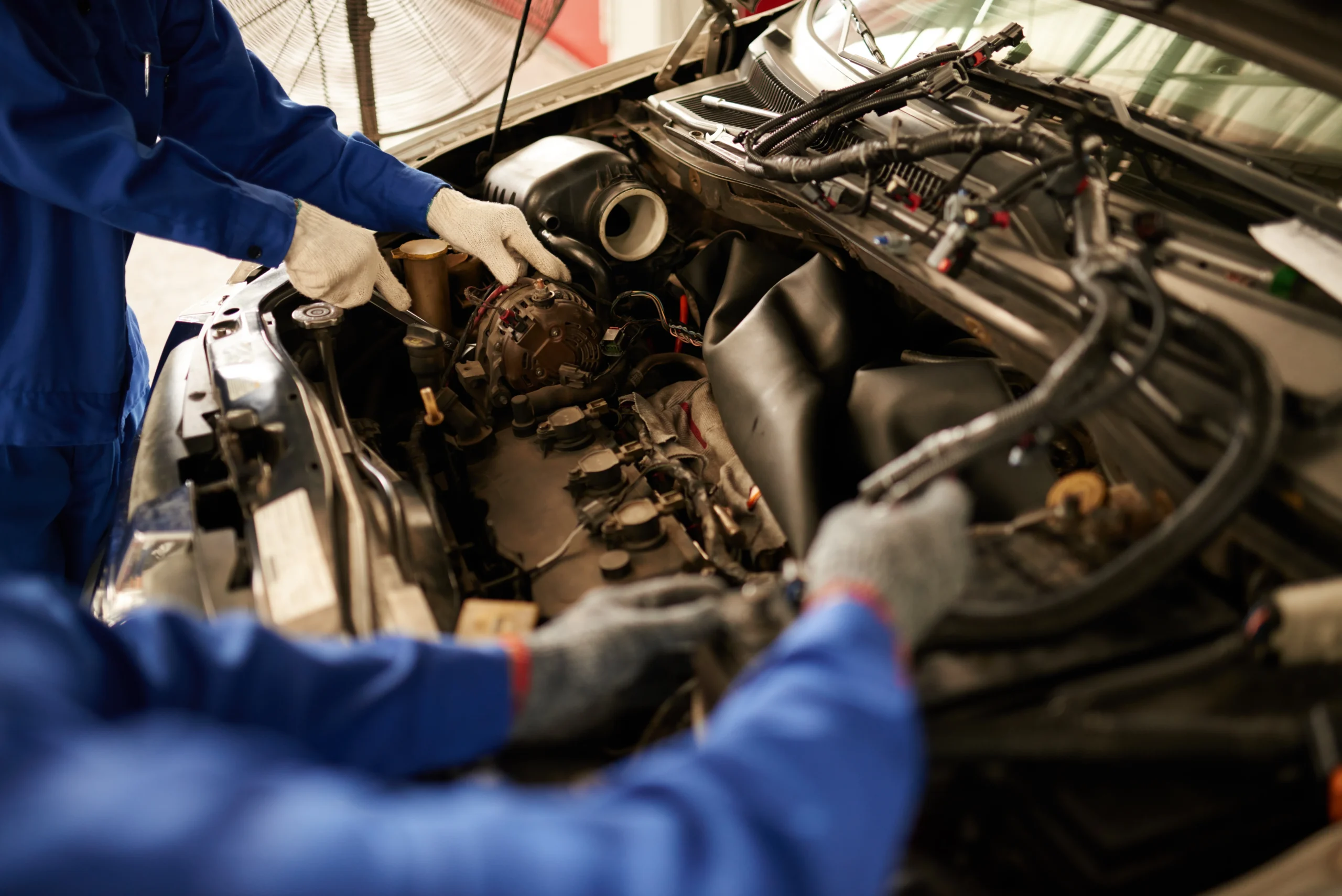
If you’ve misfuelled and started your engine, switch it off immediately. If you are driving, safely pull over as soon as possible.
Do not attempt to reactivate the vehicle once it is turned off. With every twist of the key, additional dirty fuel makes its way through your system and creates further damage.
This sprouter can destroy fuel pumps, lines and injectors. If you do need to relocate the vehicle, throw it in neutral and push it out of harm’s way with someone else if required.
Skip DIY fixes.
The proper tools and equipment for draining and flushing the fuel system, in other words, means hiring our professional mechanic.
Professional Wrong Fuel Recovery Process
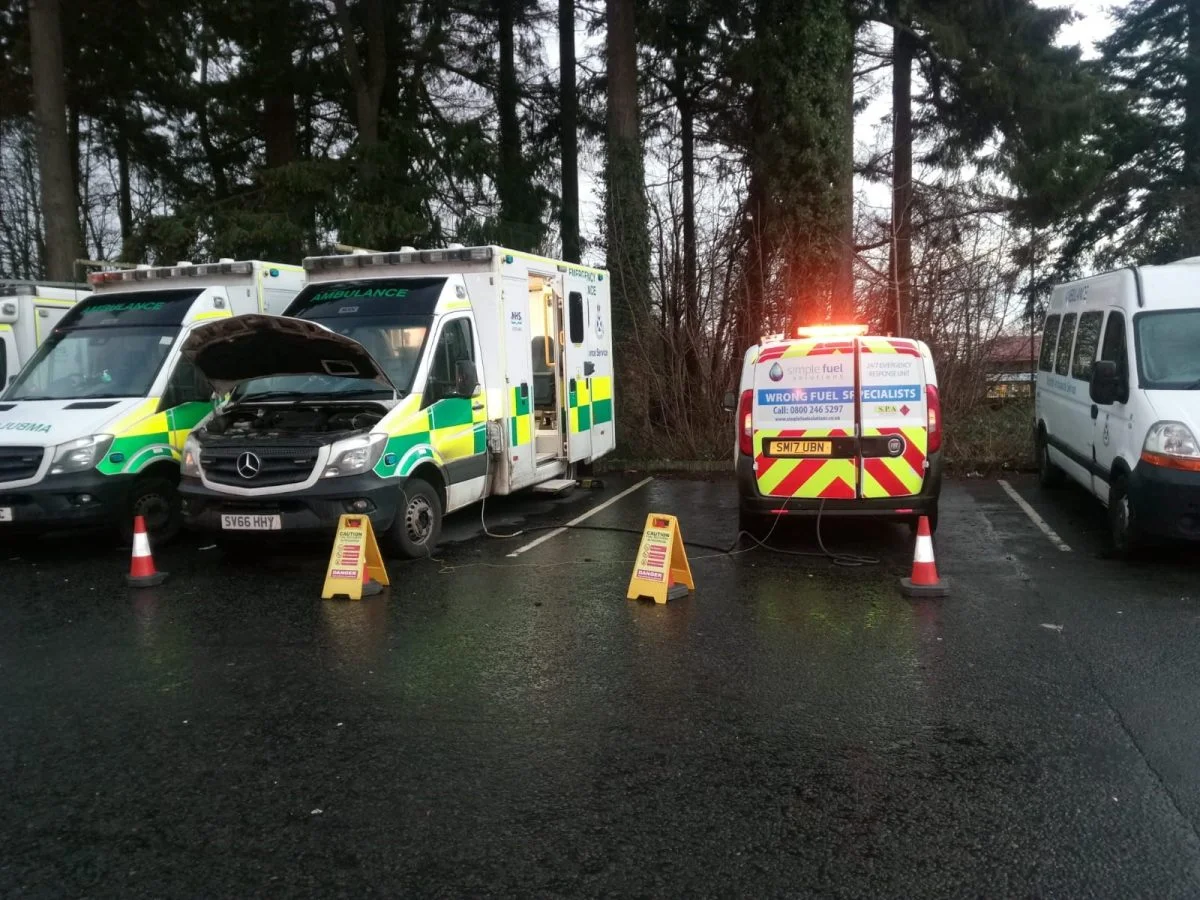
Call our PAS43-certified specialist for wrong fuel recovery service or your breakdown cover provider right away. We send trained mechanics who can safely work on forecourts and roadsides.
Our recovery specialists will check your situation and decide what to do next. Mostly, our misfuel recovery teams arrive within 35 minutes and usually fix the issue on-site.
What the recovery team will do:
- Drain all contaminated fuel from your tank
- Flush your entire fuel system to remove residue
- Check fuel lines and filters for damage
- Add clean, correct fuel to get you moving again
- Test your engine to ensure it runs properly
Usually, you’re back on the road in 30 to 60 minutes. If the damage is bad, they might need to tow your car to a garage.
Fuel Drain and Fuel Flush Explained
Fuel drain removes the incorrect fuel from your tank. Therefore, a fuel flush cleans every part of the entire fuel system. A step is important for clothes fixing with polluted liquid.
Using special pumps, our mechanic will suck petrol from your tank through the filler neck or fuel line. This essentially fully empties the tank without removing it.
The flush forces new, clean fuel through your lines, pump, filter and injectors. It removes the remnants of something that might injure your system.
The mechanic just continues fuelling the clean fuel through until there is no sign of the wrong stuff remaining.
After draining and flushing, the specialist adds enough correct fuel to restart your engine and get you to a petrol station.
Involving Car Insurance and Emergency Cover
Contact your car insurance provider as soon as you realise you’ve misfuelled. Some policies include wrong fuel cover or pay for repairs and recovery.
Check if your breakdown cover includes misfuel recovery. Many providers offer this, but some charge extra or require a certain level of cover.
Key points to report:
- When and where you filled up
- How much wrong fuel did you add
- Whether you started the engine
- Any symptoms or damage you noticed
Keep all recovery and repair receipts. Your insurer will want these for your claim. Snap a photo of your fuel receipt if you have it.
Potential Outcomes and Driving Limits After Misfuelling
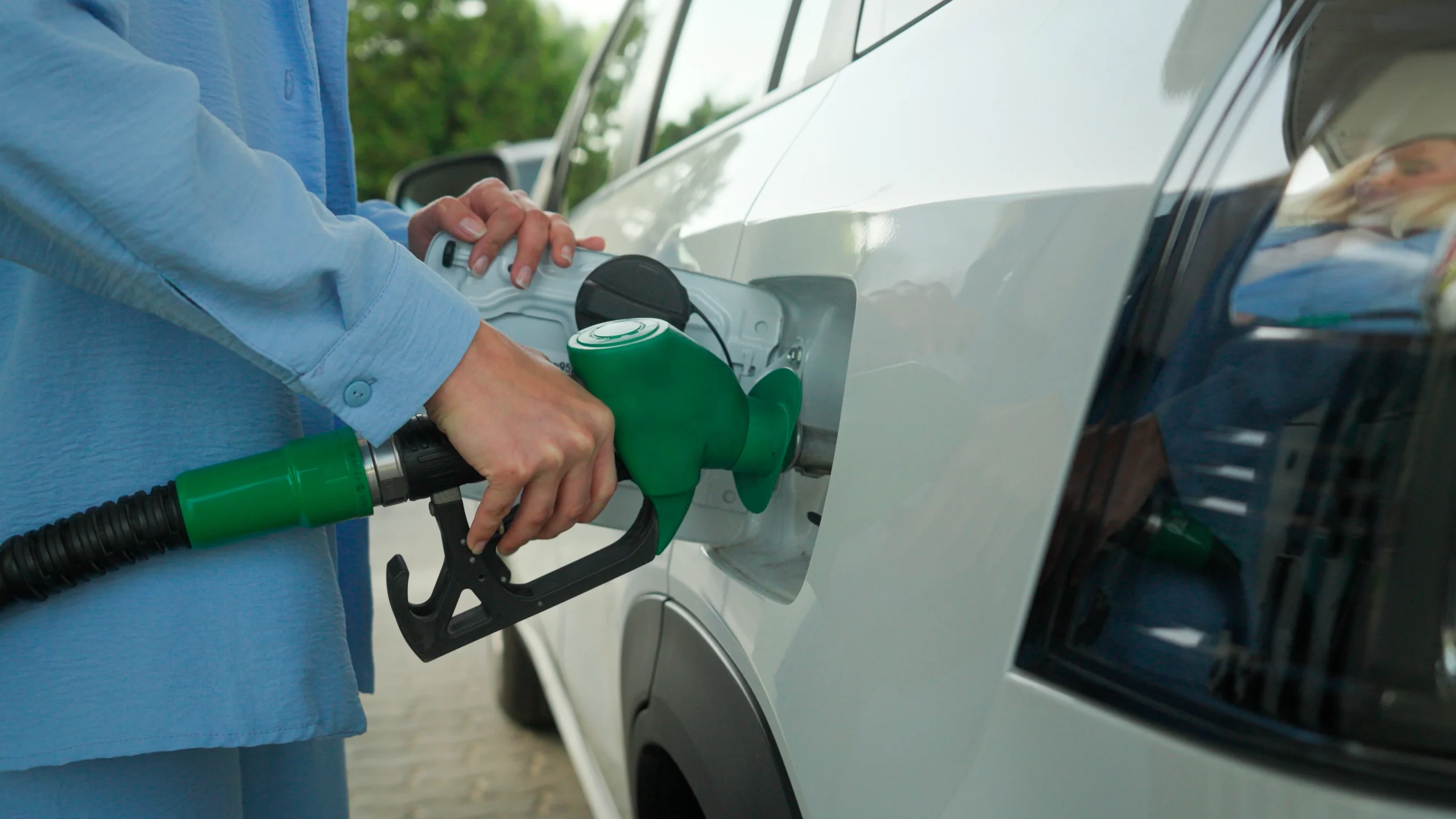
How Far Can You Drive With Wrong Fuel Before Engine Damage Becomes Permanent?
Don’t drive at all if you’ve put in the wrong fuel. Starting your engine makes contaminated fuel circulate through critical parts.
Petrol in a diesel car causes damage right away. Petrol strips away diesel’s lubrication, so metal parts grind together. You might get a couple of miles before the engine seizes, but the fuel pump, injectors, and lines can be ruined in minutes.
Diesel in a petrol car sometimes lets you go a bit further, maybe 10 to 20 miles, before the engine gives up. Diesel clogs spark plugs and stops proper combustion. It’s less disastrous than petrol in a diesel but still risky.
The safest option? Don’t drive at all. Even a short trip can turn a simple fix into a full fuel system replacement.
How Far Can You Drive With Diesel in a Petrol Car?
Putting diesel into a petrol car might give you another hundred metres or so, but you are still doing damage mile after mile.
Your engine will most likely sputter and begin pumping out smoke almost immediately. Diesel clogs up the spark plugs, and they eventually cannot combust fuel. The average distance to where their engine cuts out is between 10 and 20 miles, though some cars run out even sooner.
Warning signs include:
- Engine misfiring or running rough
- Thick smoke from the exhaust
- Loss of power when accelerating
- The engine warning light is coming on
- Complete engine failure
Diesel’s thicker texture means it won’t flow through a petrol engine’s system well. If your car shows symptoms, pull over and turn off the engine right away.
Typical Repair Costs and Long-Term Effects
Misfuelling repair costs swing a lot depending on how far you’ve driven and what fuel you used.
Simple drain and flush: £120–£200 if you didn’t start the engine. Our specialists drain the tank and lines, then refill with the right fuel.
Moderate damage: £1,000–£3,000 if you drove a short distance. You might need new filters, pumps, or injectors.
Severe damage: £5,000–£8,000+ for a full fuel system replacement. Petrol in diesel cars often means replacing pumps, injectors, lines, and sometimes the whole engine.
Even after repairs, problems can linger.
The engine might run less efficiently or develop issues months later if contaminated fuel damaged seals or corroded metal. Some insurance covers misfuelling, but many don’t, or they add a £100–£250 excess.
Frequently Asked Questions
What symptoms might you notice after filling up with the wrong fuel?
Petrol in diesel: knocking noise, smoke, warning light, poor acceleration, and the engine may stop or not restart.
Diesel in petrol: misfiring, thick smoke, and the engine may cut out or not restart.
Do petrol and diesel mix?
No. They form a contaminated mixture that harms your engine.
What engine parts get damaged first?
The fuel pump and injectors get hit first. Spark plugs foul with diesel in petrol cars. A catalytic converter can also get damaged.
How far can you drive with wrong fuel?
Don’t drive at all. Damage starts within a few hundred metres.
What should you do right after misfuelling?
Don’t start the engine. Tell the station staff, move the car if needed, and call a breakdown or fuel drain service. Contact your insurer.
Is using higher octane petrol than recommended bad?
No. It won’t harm your engine, but you won’t gain any benefit.
What happens if you put regular petrol into a vehicle that requires premium fuel?
If you put regular petrol in an engine built for premium, you might hear knocking or pinging. Those sounds usually mean the fuel’s igniting too soon inside the combustion chamber.
Modern engines try to help out by using knock sensors. These sensors pick up the sounds and adjust the timing to stop serious damage.
Your engine will probably cut back on power to protect itself. You might notice the car feels a bit sluggish, and fuel economy can drop.
Using regular petrol once or twice by accident usually won’t wreck the engine in newer cars. But if you keep using it, you could end up with carbon build-up and bigger problems down the road.
