

(For Illustrative Purposes Only)
Putting the wrong fuel in your car comes with more than just one bill. Most drivers immediately worry about damage and repair costs but rarely think about the fuel already sitting in the tank.
You still have to pay for that fuel, even though it’s the wrong type and will be drained out. That’s just how it goes; the petrol station did its part, and you’re left with a receipt for fuel you can’t use.
This article breaks down every cost a misfuel can throw at you, from the petrol station receipt to the recovery call-out. If you need help now, call 0800 246 5297 for wrong fuel recovery.
The cost of putting the wrong fuel in your car really depends on how quickly you act. Our mobile specialists usually charge between £130 and £400 for a fuel drain and recovery, but if you start the engine or need replacement parts, the price can shoot up fast.
Dealerships sometimes charge £1,000 to £5,000 if they insist on replacing the entire fuel system. That’s an expensive worst-case scenario.
There are often small charges that catch drivers off guard. Think about the fuel you bought, call-out premiums for late-night or remote locations, and possible storage fees if your car has to be held overnight.
If you know about all these costs, you’re less likely to get blindsided by a surprise bill.
Cost one: the fuel you pumped still has to be paid for
(For Illustrative Purposes Only)
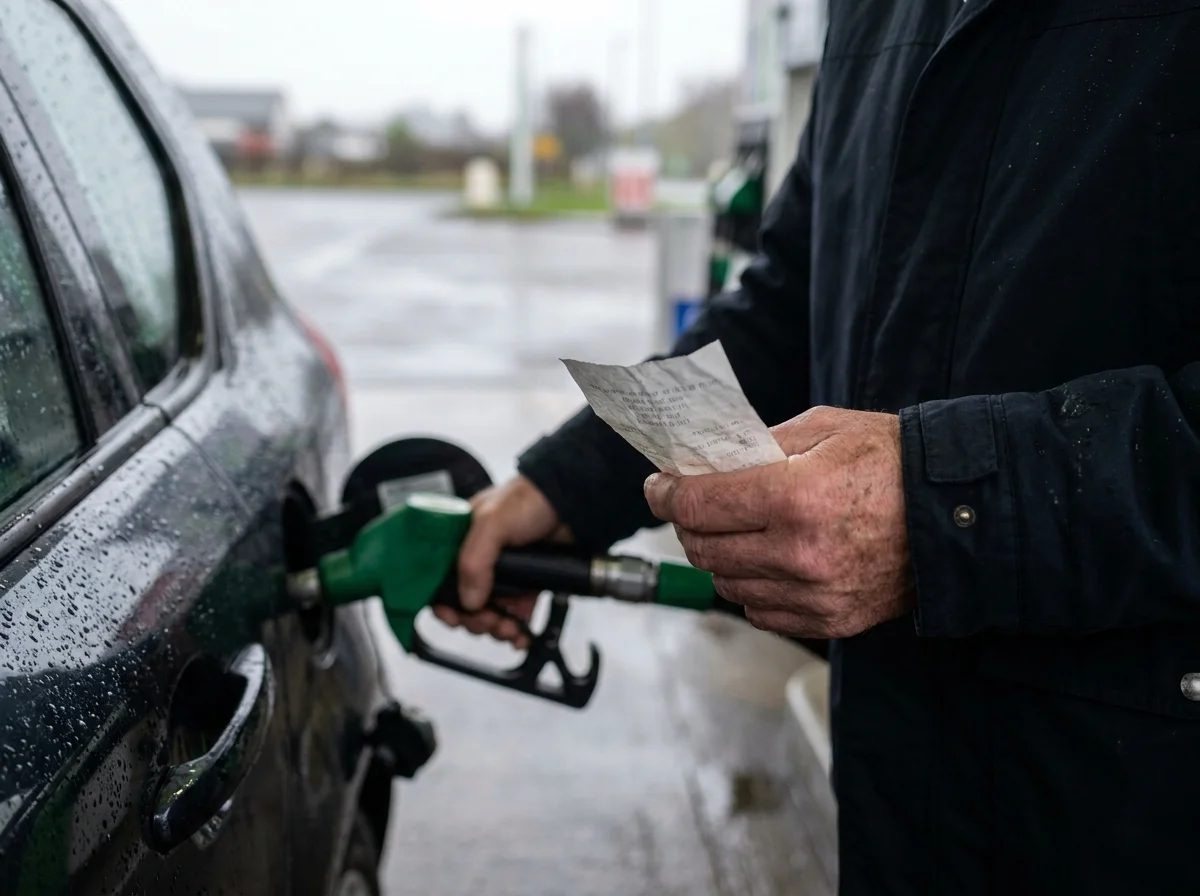
The first cost you face is for the wrong fuel itself. The forecourt dispensed what you asked for; the mistake was just picking the wrong pump.
This means the sale is valid and must be paid for.
You can’t return the fuel once it’s in your tank. As soon as wrong fuel goes into your vehicle, it’s contaminated.
If you put petrol in a diesel car, that fuel becomes a mixture. Contaminated fuel can’t go back into forecourt tanks.
The misfuelled car’s fuel must be drained and removed as waste. It gets disposed of under SEPA registration, which is a legal thing. The forecourt won’t take it back.
This part stings the most for a lot of people. You’re paying for fuel you’ll never use. It’s frustrating, but there’s no way around it.
What you need to do:
- Settle the fuel bill before leaving the forecourt
- If you can’t pay right away, talk to staff before you go anywhere
- If you paid at the pump by card, you’re already sorted
Payment inside the shop is only an issue if you haven’t paid at the pump yet.
Cost two: the fuel drain and recovery
(For Illustrative Purposes Only)
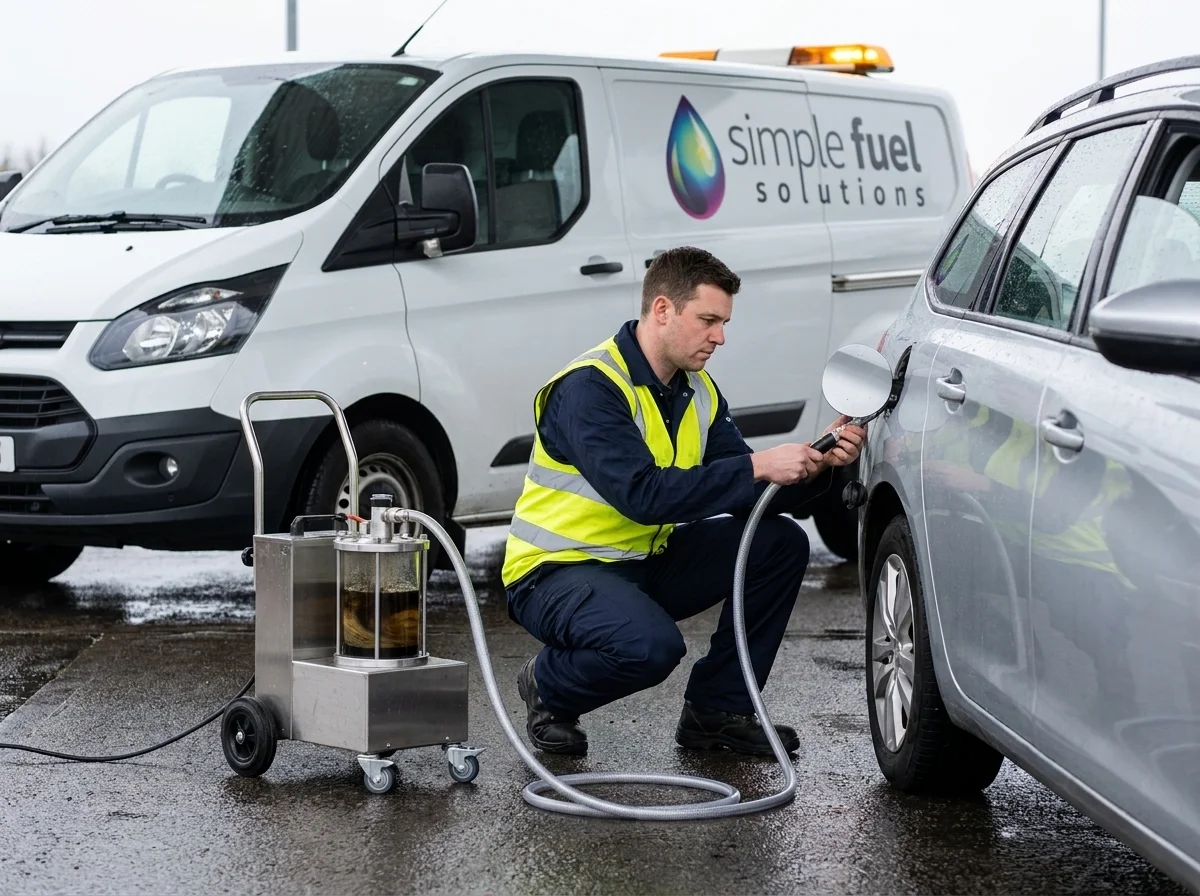
This is the cost of getting your car back on the road. Our trained technician comes to wherever you are, removes the contaminated fuel, and flushes the system.
We’ll add clean fuel so you can drive away. The price depends on your vehicle, the tank size, and how much contaminated fuel needs removing.
Larger tanks hold more fuel, so there’s more to drain and dispose of. Commercial vehicles usually cost more than smaller cars for that reason.
The work typically includes:
- Full removal of contaminated fuel from the tank
- Drain and flush of fuel lines and filter
- Fuel filter replacement if needed
- System checks before refilling
- Addition of clean fuel to get you moving
There’s no call-out fee or membership required. Evening, night, and weekend recoveries don’t carry a surcharge.
You’ll get a confirmed price before anything starts, so you know exactly what you’re paying.
Our fully trained and insured technicians do all the work. We use PAS43 and ISO 9001-certified procedures. Our equipment meets ATEX and UN approval standards, and our fuel disposal is SEPA registered.
We provide a written job report after every recovery. This document lists what was done and confirms your payment. It’s handy for company vehicles, lease agreements, or if questions come up later.
Need help now? Call 0800 246 5297.
Cost three: the extras that sometimes follow
(For Illustrative Purposes Only)
In most cases, if you haven’t started the engine, there aren’t any extras. The drain is the whole job.
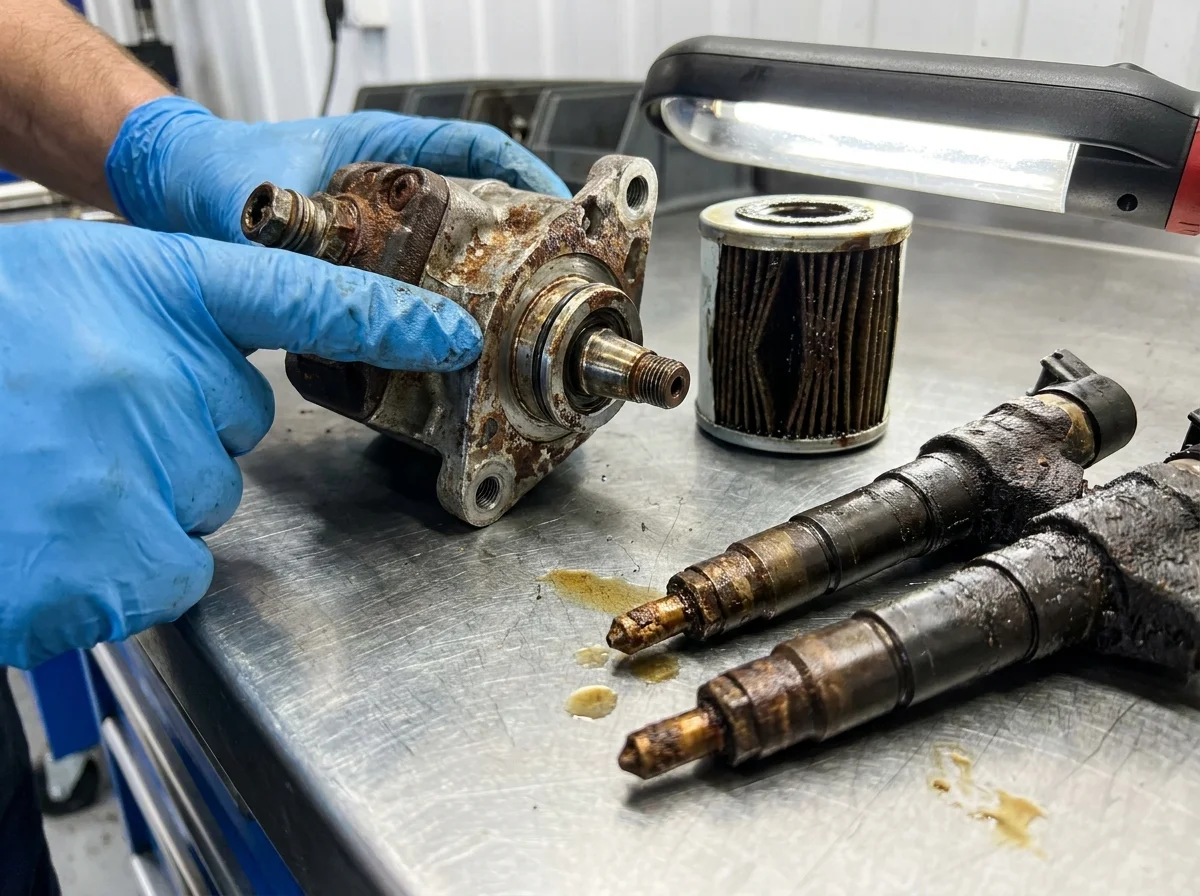
But if contaminated fuel has run through the engine, you might need a new fuel filter. Sometimes, work on the fuel pump or injectors is necessary.
In diesel vehicles, fuel lubricates the high-pressure fuel pump. Petrol strips that lubrication away, so petrol in a diesel is the more damaging mistake. Starting the engine is the turning point.
If you catch the mistake before turning the key, a professional fuel drain usually solves everything.
Any repairs beyond the drain aren’t done by our misfuel recovery service. You’d need a garage for that, which means another appointment, more time off the road, and extra labour charges.
The cost you avoid entirely by not starting the engine
(For Illustrative Purposes Only)
The biggest difference comes down to whether you start the engine. That one decision changes everything.
If the wrong fuel is in the tank and the engine hasn’t run, the contamination stays in the tank. Nothing’s been drawn through the pump, filter, or injectors.
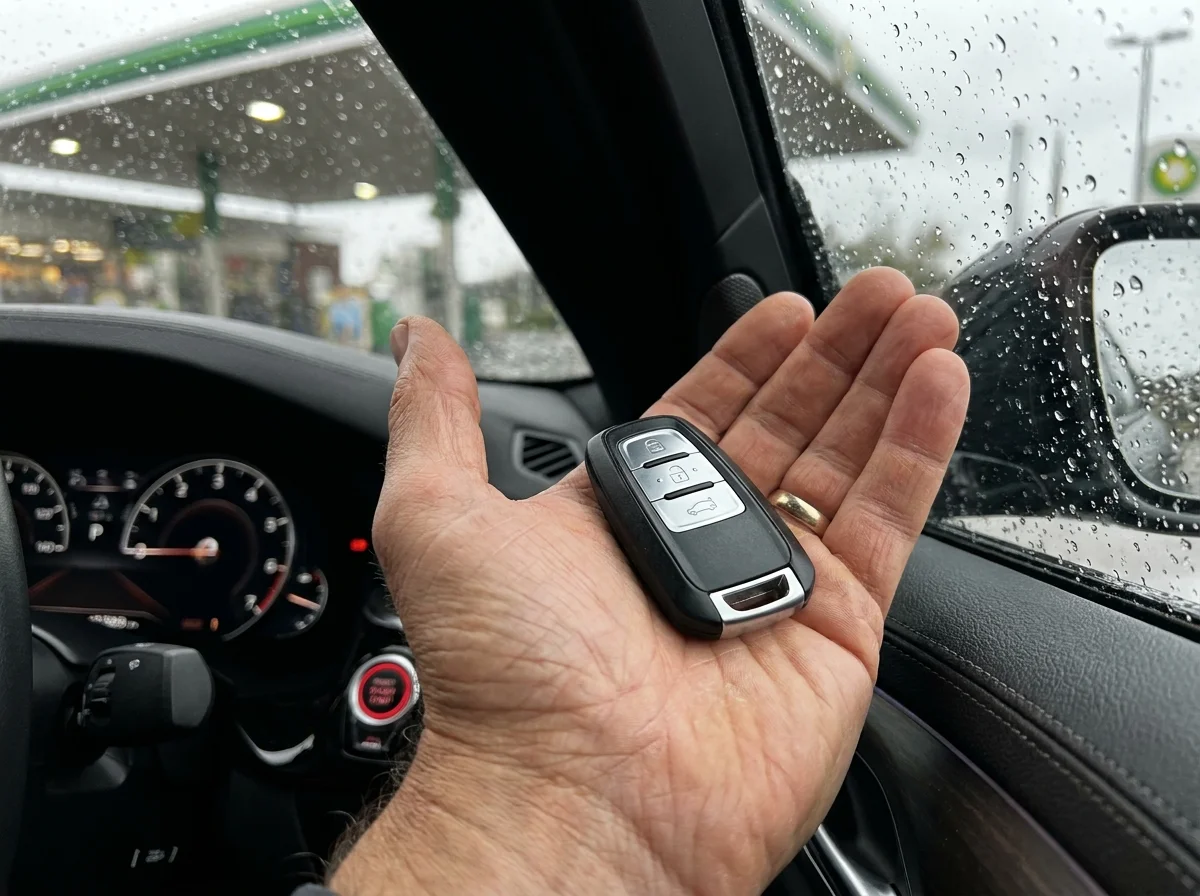
Just leave the key alone. Don’t turn the ignition to check anything. Don’t move the car under its own power.
If you absolutely have to move the car away from the pump, push it but only if it’s safe. Otherwise, just leave it where it is.
Don’t add the correct fuel on top to try to dilute the mistake. That just makes more contaminated fuel to remove, which means a higher cost. It won’t fix the issue.
If you avoid starting the engine after putting petrol in a diesel car, you avoid:
- Fuel pump damage from loss of lubrication
- Injector damage from contaminated fuel running through the system
- Catalytic converter damage from improper combustion
- Engine component wear from inadequate fuel properties
You’re left with just one job: draining and flushing the tank. That’s it.
Why the forgotten fuel bill causes the most trouble

(For Illustrative Purposes Only)
This gets overlooked more often than you’d think. You realise the mistake at the pump, and suddenly all your attention is on the car. You’re calling your breakdown provider, waiting for a technician, and figuring out how to move the car safely.
The fuel itself just doesn’t get paid for.
It’s a tiny detail lost in a stressful moment. You’re focused on preventing engine damage, not on settling up at the till.
But forecourts don’t forget about unpaid fuel. They record vehicle registrations, and what started as an honest mistake turns into something you have to explain later. That’s a hassle you don’t want.
The practical solution is simple:
- Check that you’ve paid for the fuel before you leave
- If you can’t pay right away, talk to staff and agree how you’ll settle it
- Keep any reference numbers or contact details they give you
Frequently Asked Questions
The cost depends on whether you caught the mistake early. Most people want to know about payment, disposal, and how quickly they can get moving again.
How much does it typically cost to fix a car after putting the wrong fuel in?
The cost varies based on your vehicle type, tank size, and how much contaminated fuel needs removing. In most cases, you just need a drain if you didn’t start the engine; no repairs are needed.
Do I still have to pay for fuel I put in by mistake?
Yes, you do. The forecourt supplied the fuel correctly, so the sale stands even though it’s the wrong type and will be drained out.
Can the drained fuel be returned to the petrol station?
No, it can’t. Once removed, it’s a contaminated mixture and can’t go back into a forecourt tank. It must be disposed of under SEPA registration.
How long does a wrong-fuel rescue usually take from call-out to being back on the road?
When you call for help, our technician heads out to your vehicle. We’ll drain and flush the system right there on site.
Most drivers get back on the road during that same visit. Need help? Call 0800 246 5297.
