
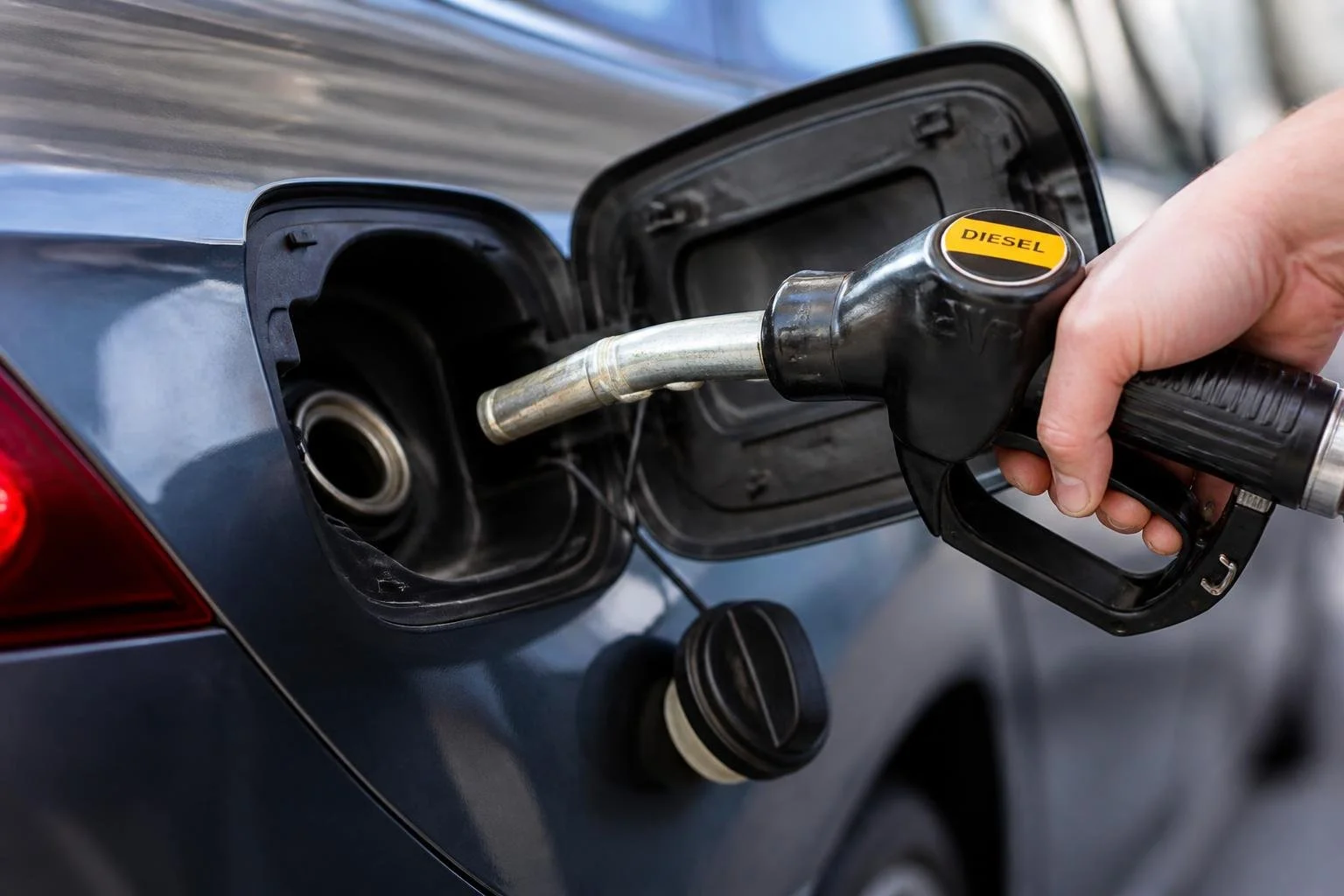
Mistakenly filling your car with the wrong fuel is easier than you might think. This happens every year at petrol stations across the UK; thousands of motorists get it wrong.
Misfuelling can happen to anyone, whether you are exhausted, distracted, or simply driving a car that you’re not too familiar with.
The upside? Noticing it before inserting the key will most likely save you a painful bill and plenty of headaches.
Being able to spot the wrong fuel before turning the key is important. You might be able to crank it once or twice, but after that, you’re running a serious risk of damaging your fuel pump, injectors, or catalytic converter.
Knowing what to look for at the pump can save you from a world of hassle. Let’s run through how to catch a misfuelling incident right away and what to do if it happens.
Identifying a Misfuelling Incident Before Ignition
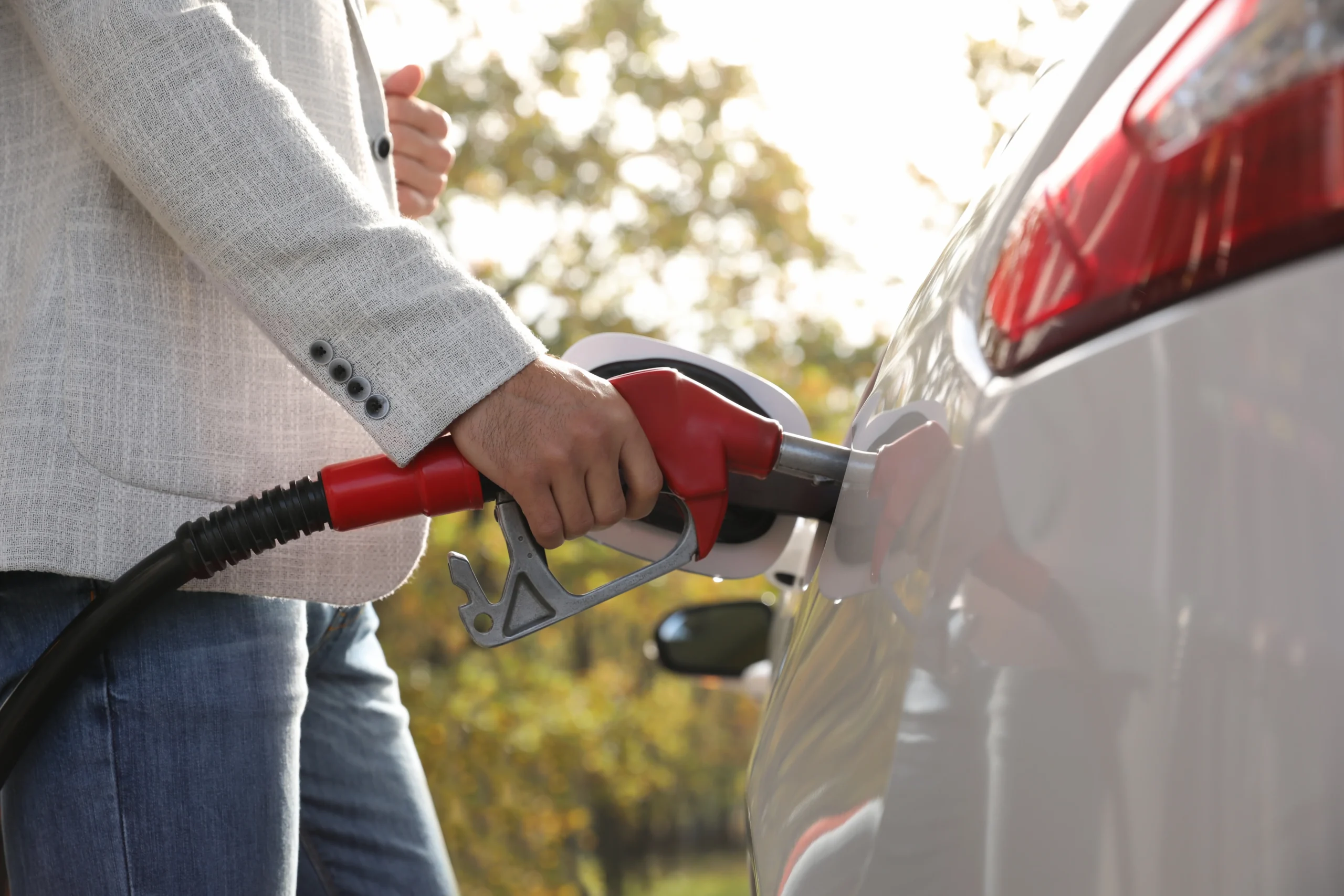
Early Clues and Signs at the Pump
Be attentive while fuelling your vehicle. In many circumstances, it is the pump itself that gives you your first indication that you are using the incorrect fuel.
If that nozzle doesn’t feel right or you suddenly become suspicious, stop right there. Many people only realise this use after they have begun to dispense fuel.
Your receipt gives you the information about the fuel that you have chosen, so verify it before leaving the pump.
The display on the pump also indicates which fuel you are filling up with. If it has the word “unleaded” on it, and you have a diesel, you’ve caught that slip-up almost too late.
If you are even double-minded for a second, then you should check it out again. So, it pays to trust your gut at the pump.
The Pump Handle Colour (UK Standard: Green=Diesel, Black=Petrol)
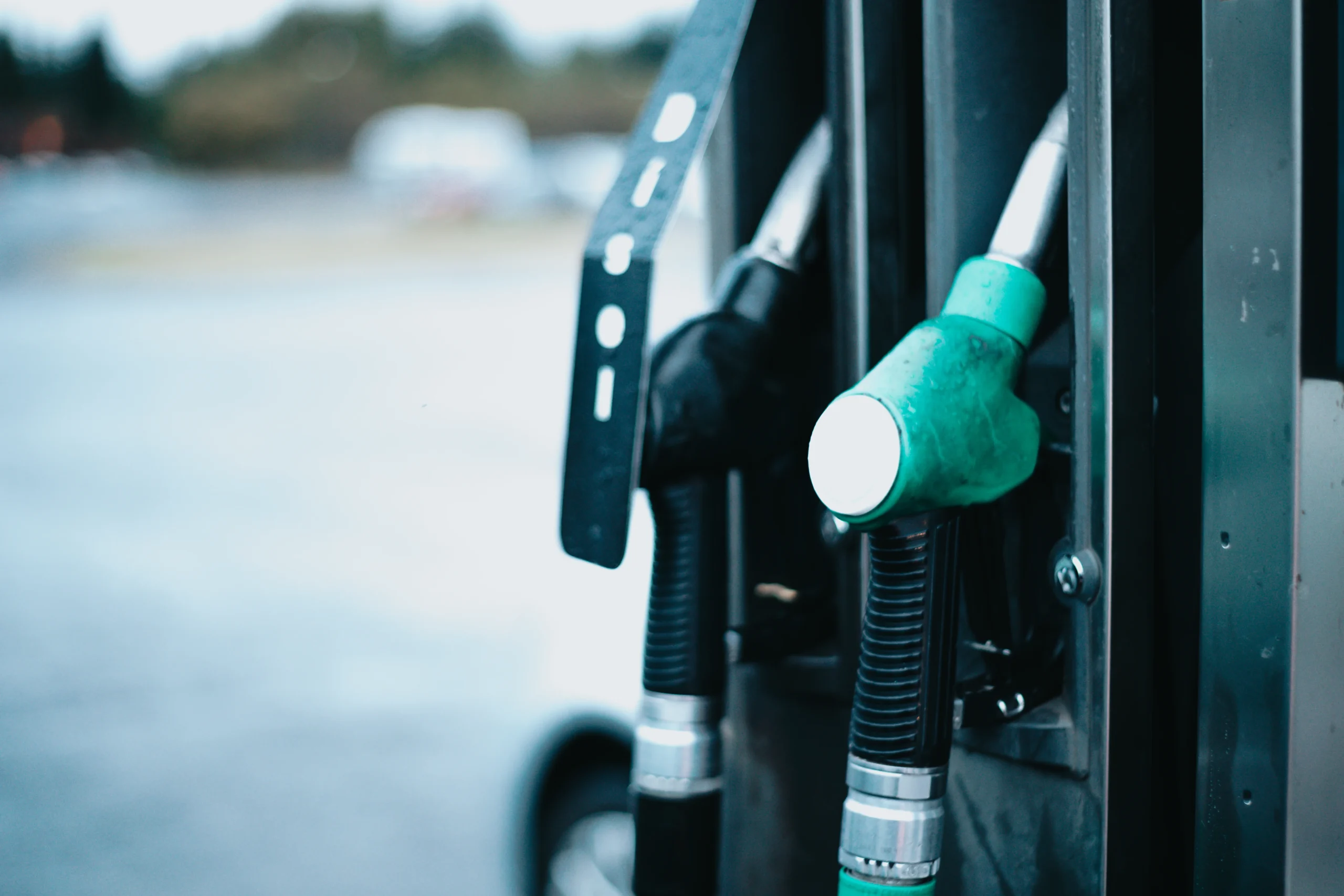
Most UK petrol stations use green handles for diesel and black for unleaded petrol. That’s the standard, but it’s not foolproof.
Some stations, especially older or independent ones, don’t always follow this system. Super unleaded can have red or blue handles, which adds to the confusion.
E10 (standard unleaded) usually comes with a black handle and a clear label. Don’t just grab by colour. Always read the label on the pump handle before you start pumping. It only takes a second.
Detecting Unusual Fuel Nozzle Fit
In the UK, diesel nozzles are larger than their petrol equivalents. This prevents me from making mistakes, but it is not infallible.
If you’re trying to put diesel in a petrol car, the nozzle often won’t fit; it’s too wide.
On the other hand, diesel pumps can be inserted into a petrol tank. That is also why the petrol-in-diesel blunder is so frequent. But if the nozzle seems strange, too loose, too tight or just not right, stop and inspect the pump.
The Smell (Diesel Smells Oily, Petrol Smells Sharp)
Your nose is actually a pretty solid early warning system. There is no diesel and petrol burning smell alike.
You have this deep, oily, almost waxy and lingering scent of diesel. When it comes to petrol, the smell is sharp and light, a little bit sweet in a chemical way. Thinner notes tend to evaporate faster, so it does not linger around as long.
If the smell seems wrong for your car, double-check the pump. Most regular drivers know their fuel’s scent by heart. Any difference should make you pause and confirm what’s going into your tank.
What Happens Next and Getting Immediate Help

If you act fast after misfuelling, you can avoid a costly disaster by following this 5-minute checklist after the wrong fuel scenario.
Our professional help is always available, and if you haven’t started the engine, you’re in luck.
Speak To Our ProfessionalsConsequences of Not Starting the Engine
You’ve dodged the worst if you never even turn on the engine. Since the wrong fuel hasn’t yet made its way through your car’s system, it just sits in the tank.
In most cases, this can be rectified with a fuel drain (removal of contaminated fuel). If the pump, injectors and filters have not been uncovered, your engine remains protected.
- Fuel drain only: The tank gets emptied.
- System check: Mechanics look for any traces in the fuel lines.
- Correct fuel added: enough to get you to the next station.
- No component replacement: Your parts stay intact.
This usually costs £150–£300. If you start the engine, though, repairs can hit £5,000 or more.
But we at Simple Fuel Solutions offer our wrong fuel recovery service from £129.
Call Simple Fuel Solutions Professional Fuel Drainers
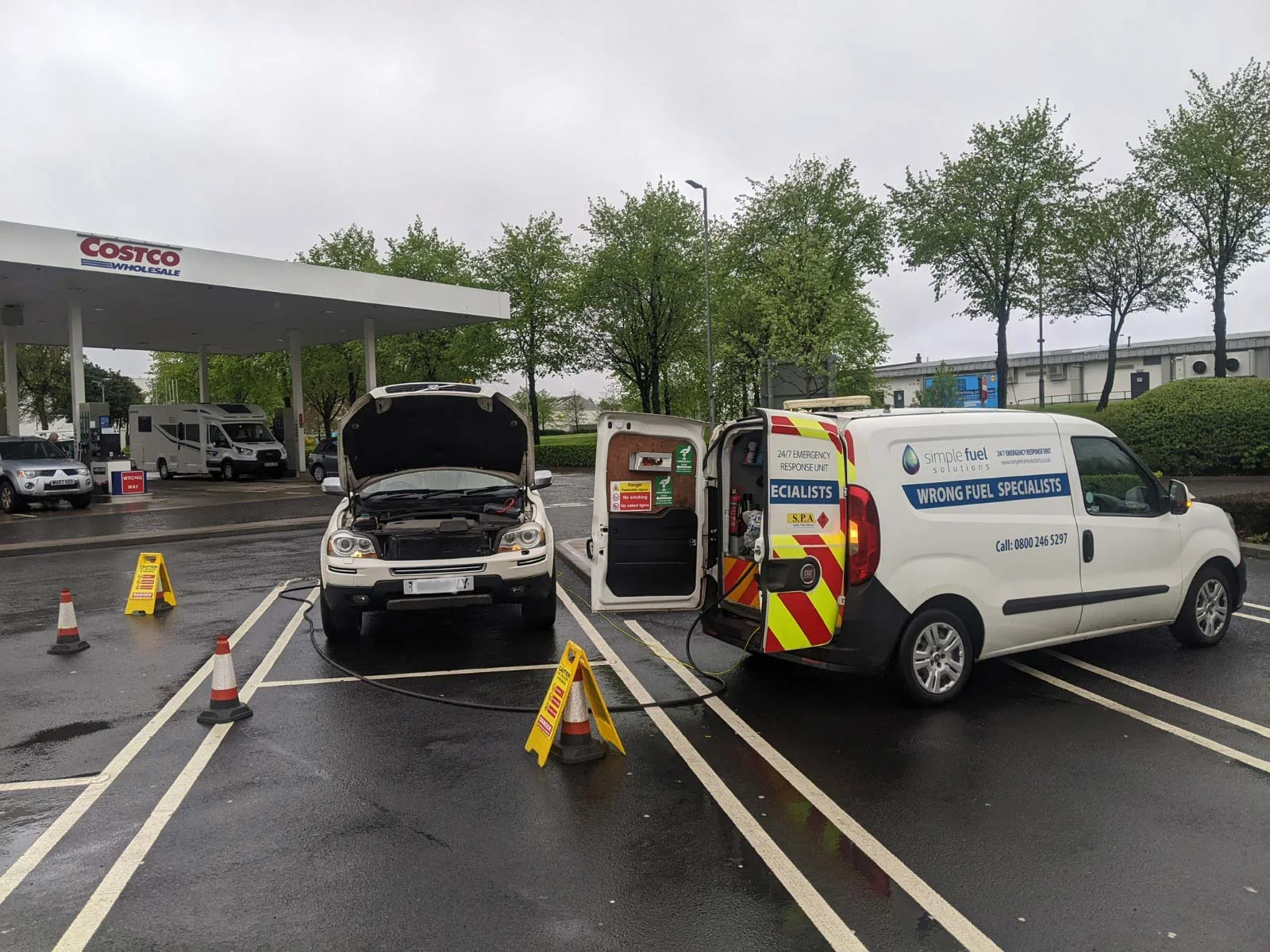
Call our PAS43-certified professional fuel-drainers as soon as you realise your mistake. These specialists have the right gear and know-how for misfuelling situations.
Speak To Our ProfessionalsSimple Fuel Solutions runs 24/7 and can reach most places in Scotland within 35-40 minutes. Our fuel doctors use portable extraction units to remove the contaminated fuel right where you are. It takes about 20–40 minutes for a full drain and flush.
They handle both petrol-in-diesel and diesel-in-petrol cases. You’ll get enough correct fuel to reach a petrol station and documentation for insurance if needed.
Don’t try to fix this yourself. Professionals dispose of contaminated fuel safely and legally.
Steps for Prevention and Reducing Future Risk
Have a checklist before each fill-up. Verify on your cap label, the pump label, and the display before squeezing it.
Put a note inside your fuel flap: in big letters, DIESEL ONLY or PETROL ONLY. This is an easy trick, but it does the job.
Avoid Using Your Phone While Filling Up.
If you are in a hired car, make doubly sure of everything.
Diesel tanks accept the nozzles from petrol pumps easily, so putting petrol in diesel is by far the most common mistake.
If you recently purchased a car, this is all the more reason to be especially careful in your first month.
Find out immediately what type of fuel your vehicle uses and where its tank is located. Store it on the phone for reference, or something, maybe.
Frequently Asked Questions
What are the first signs you’ve put in the wrong fuel?
The pump label doesn’t match your car’s requirements. If a diesel car’s nozzle fits too easily, it’s probably petrol. The smell may also seem different.
Will the car still start with the wrong fuel?
It might, but starting the engine spreads the wrong fuel and can cause major damage. Don’t turn the key; check your receipt and pump label first.
How do bad petrol symptoms differ from wrong fuel symptoms?
Bad petrol causes gradual issues. Wrong fuel leads to immediate problems, rough running, stalling, or not starting at all.
What should you do right away if you realise you’ve misfuelled but haven’t started the engine?
Push the car to a safe spot, alert the staff, and call a fuel specialist. Don’t try to dilute the fuel or fix it yourself.
