
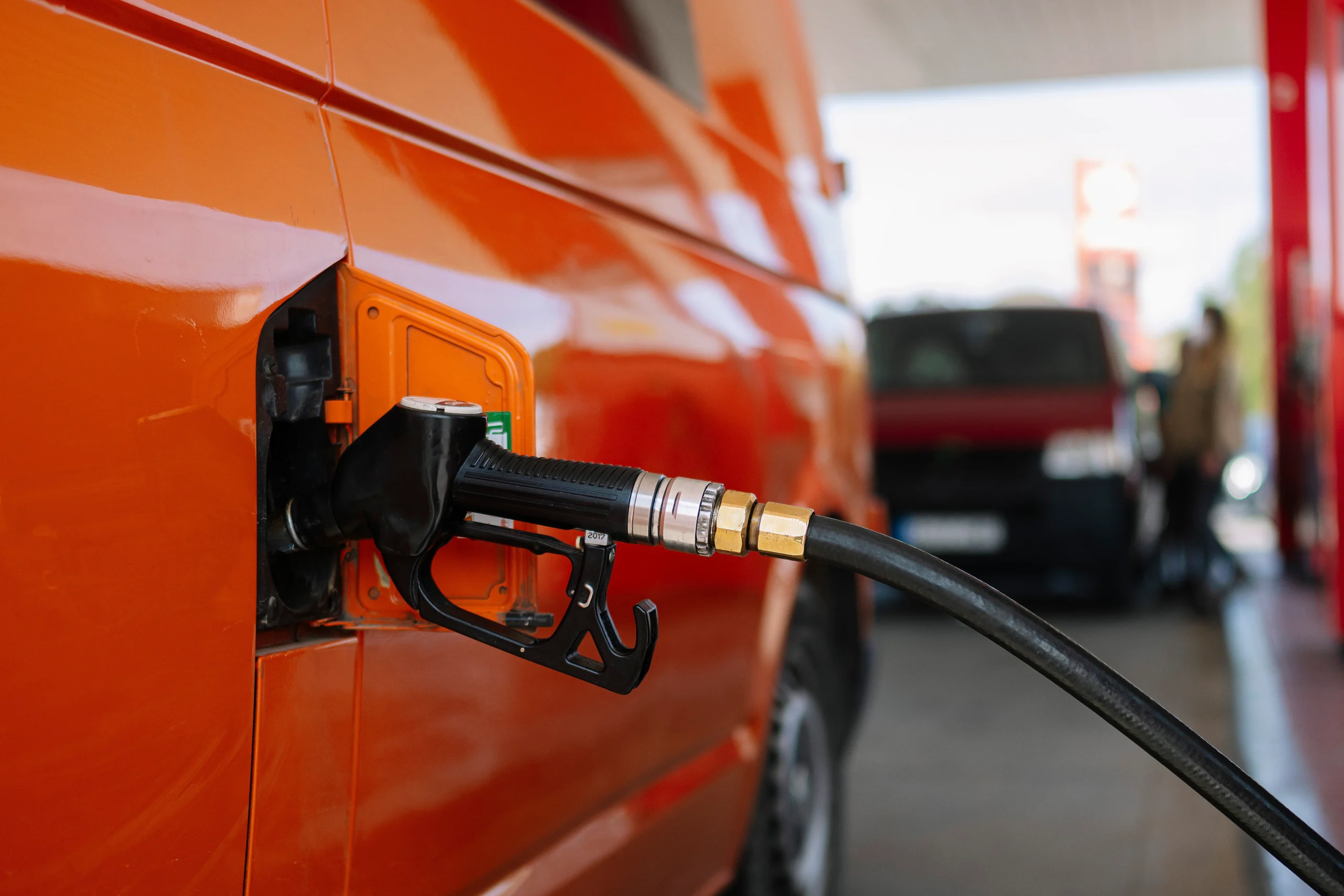
(For Illustrative Purposes Only)
Putting the wrong fuel in a van can interrupt your working day and potentially cause expensive fuel-system damage.
Whether you’re a tradesperson, delivery driver, self-employed van owner or fleet manager, the most important first step is to keep the engine switched off.
Many commercial vans use modern diesel injection systems that can be sensitive to petrol contamination.
At Simple Fuel Solutions, we provide 24/7 mobile wrong fuel recovery for vans and other commercial vehicles across Scotland.
Call 0800 246 5297 for professional assistance.
This guide explains the risks, recovery requirements and practical steps to protect your vehicle after misfuelling.
Why Vans Face a Higher Risk of Misfuelling
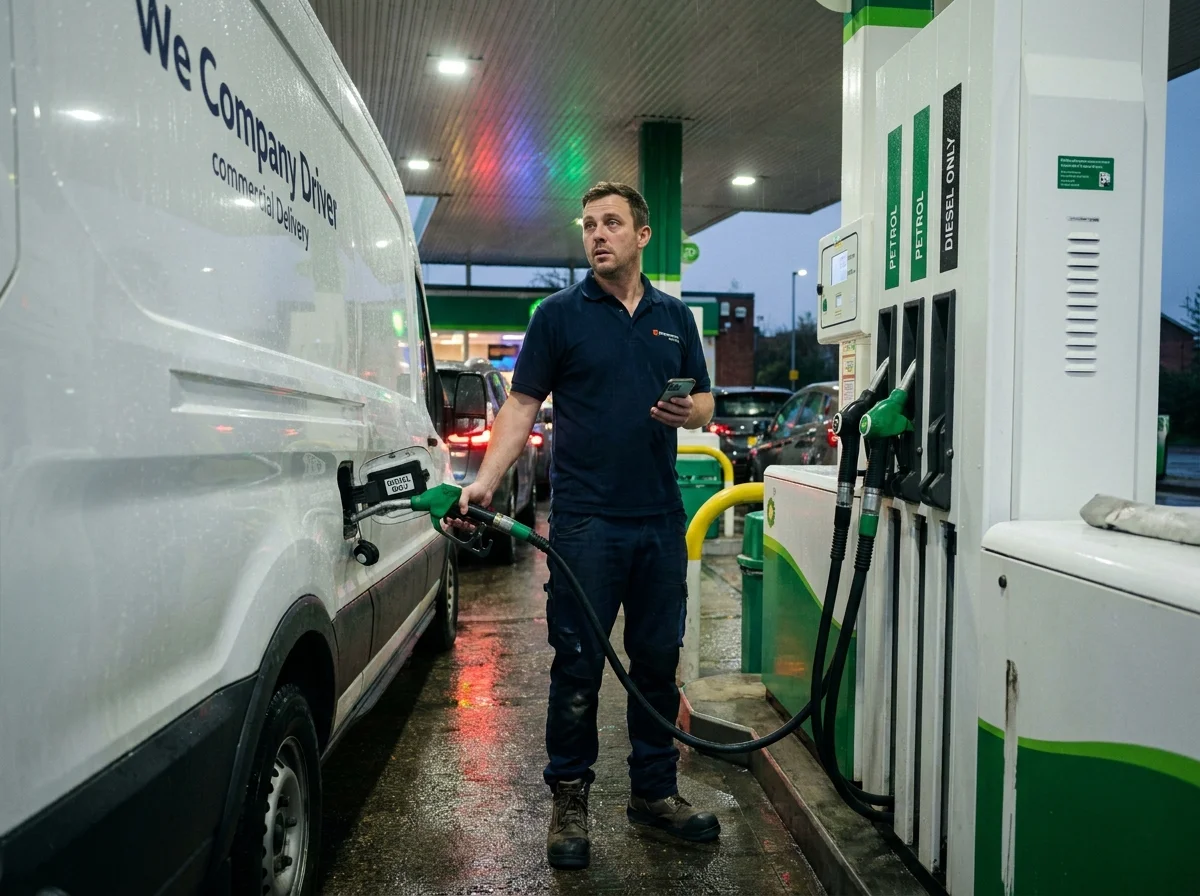
(For Illustrative Purposes Only)
Van drivers may face additional misfuelling risks because of shared vehicles, busy schedules and unfamiliar fuel requirements.
A driver who normally uses a petrol car may accidentally select petrol when refuelling a diesel van.
Fleet vehicles may also be assigned to several drivers, increasing the importance of clear fuel-type information.
Some vans have larger fuel tanks than passenger cars, although capacity varies by model.
| Factor | Passenger car | Commercial van |
|---|---|---|
| Fuel tank | Varies by model | Often larger |
| Typical use | Personal or business | Often work-related |
| Misfuelling impact | Travel disruption | Potential business downtime |
These factors can increase operational exposure but do not establish that vans are misfuelled more frequently than cars.
We recommend checking the filler label before every refuel, especially when driving an unfamiliar vehicle.
Does petrol in a diesel van cause more damage than in a car?
(For Illustrative Purposes Only)
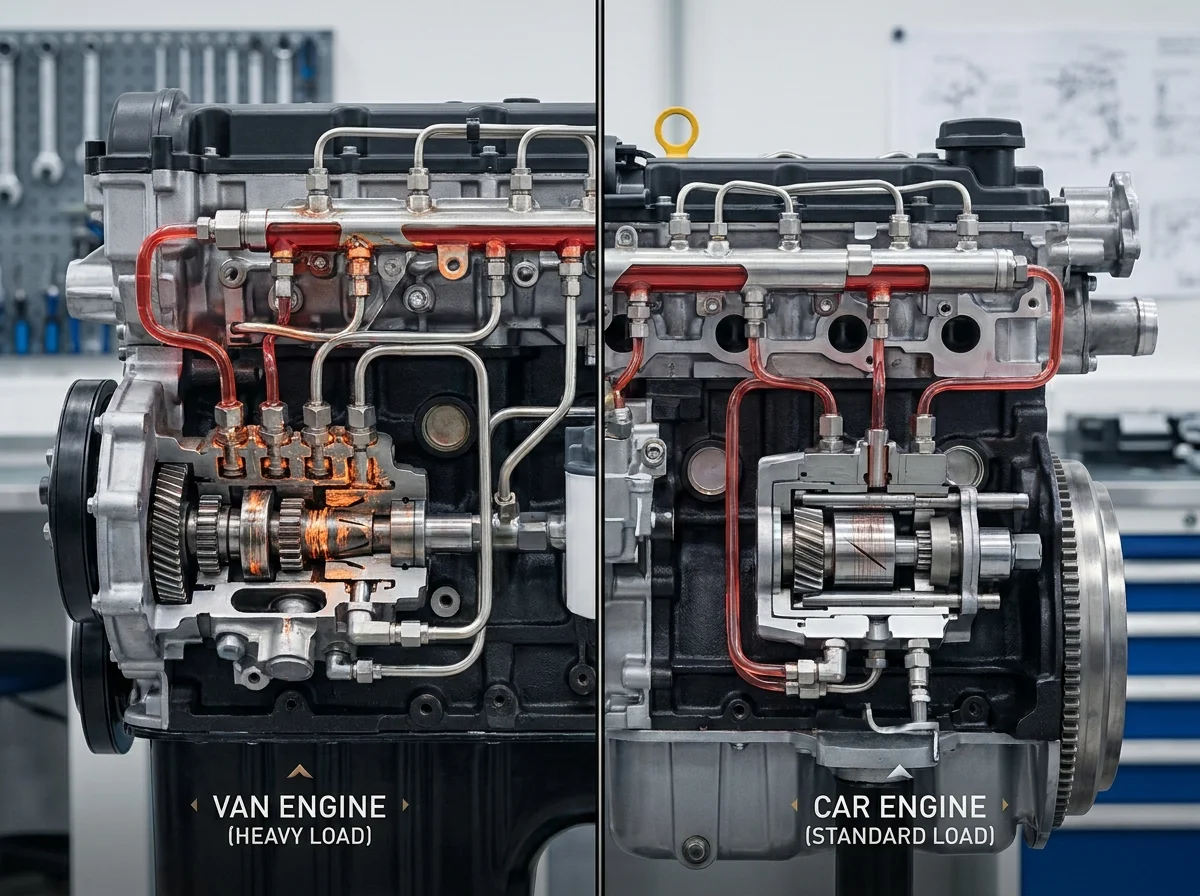
Petrol contamination affects diesel vans and cars through similar mechanisms.
Diesel helps lubricate components in modern high-pressure fuel injection systems. Petrol reduces that lubrication and may increase wear if contaminated fuel circulates.
Possible damage includes:
- High-pressure fuel pump wear
- Injector damage
- Contamination of fuel lines and filters
- Fuel-system performance problems
Vans don’t necessarily operate at higher injection pressures than cars. The risks depend on the engine and fuel system design.
However, repair costs and lost working time may have a greater financial impact on businesses relying on their vehicles.
If you’ve added petrol to a diesel van, don’t start the engine.
If you’ve already driven, stop safely and call us for professional recovery assistance.
Bigger fuel tanks mean more contamination to remove.
(For Illustrative Purposes Only)
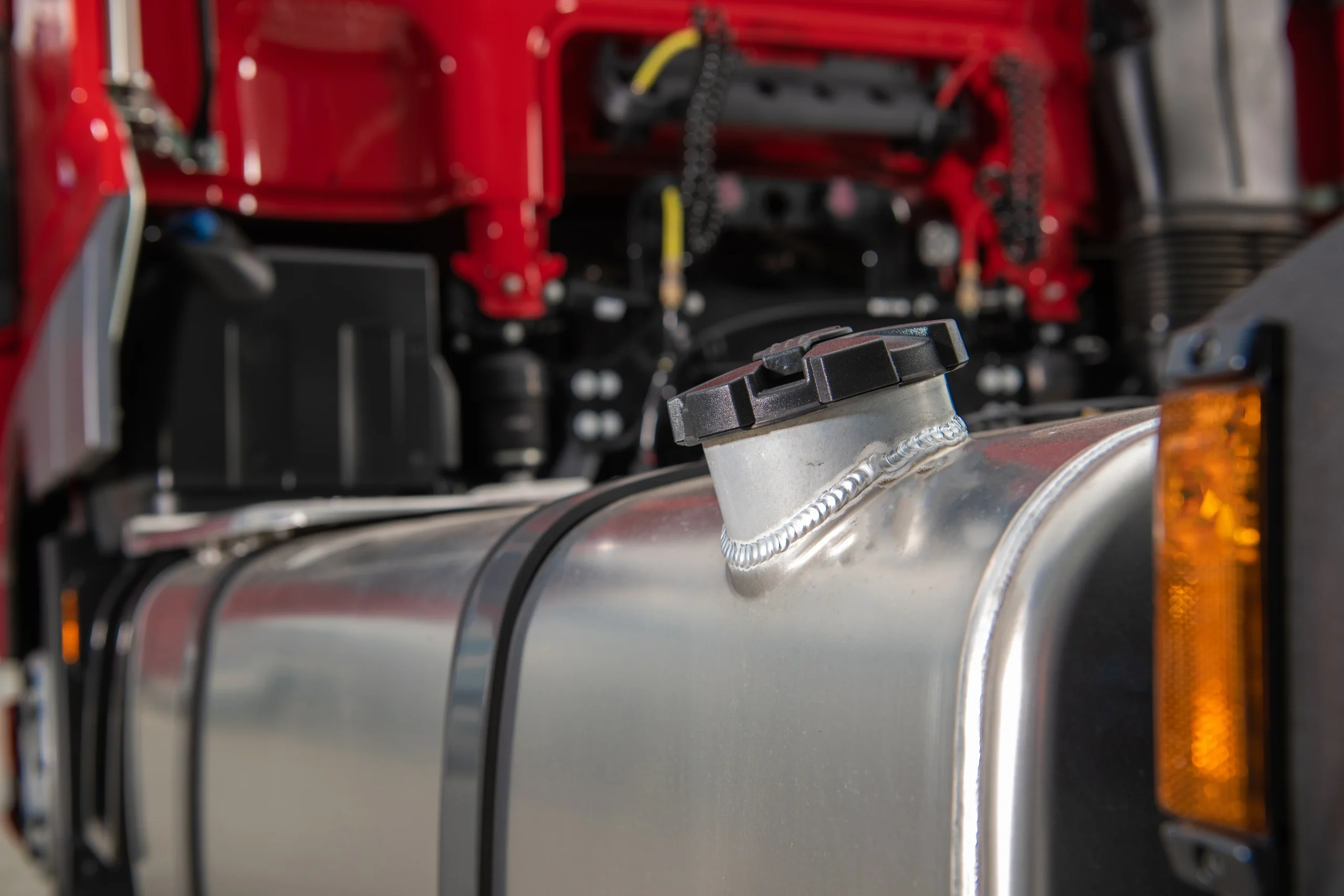
Commercial vans often have larger fuel tanks than smaller passenger cars.
For example, certain Ford Transit and Mercedes Sprinter variants offer relatively large tanks, although actual capacity depends on the model and configuration.
A larger tank may contain more contaminated fuel if a substantial quantity of incorrect fuel has been added.
However, tank capacity alone doesn’t determine how much fuel needs removing. The existing fuel level and quantity of incorrect fuel also matter.
More contaminated fuel can increase extraction time and disposal requirements.
At Simple Fuel Solutions, we use specialist equipment and assess each vehicle before determining the recovery procedure.
Our technician will confirm the necessary work and cost before starting.
Our Van Fuel Drain Service: Every Common Van Covered
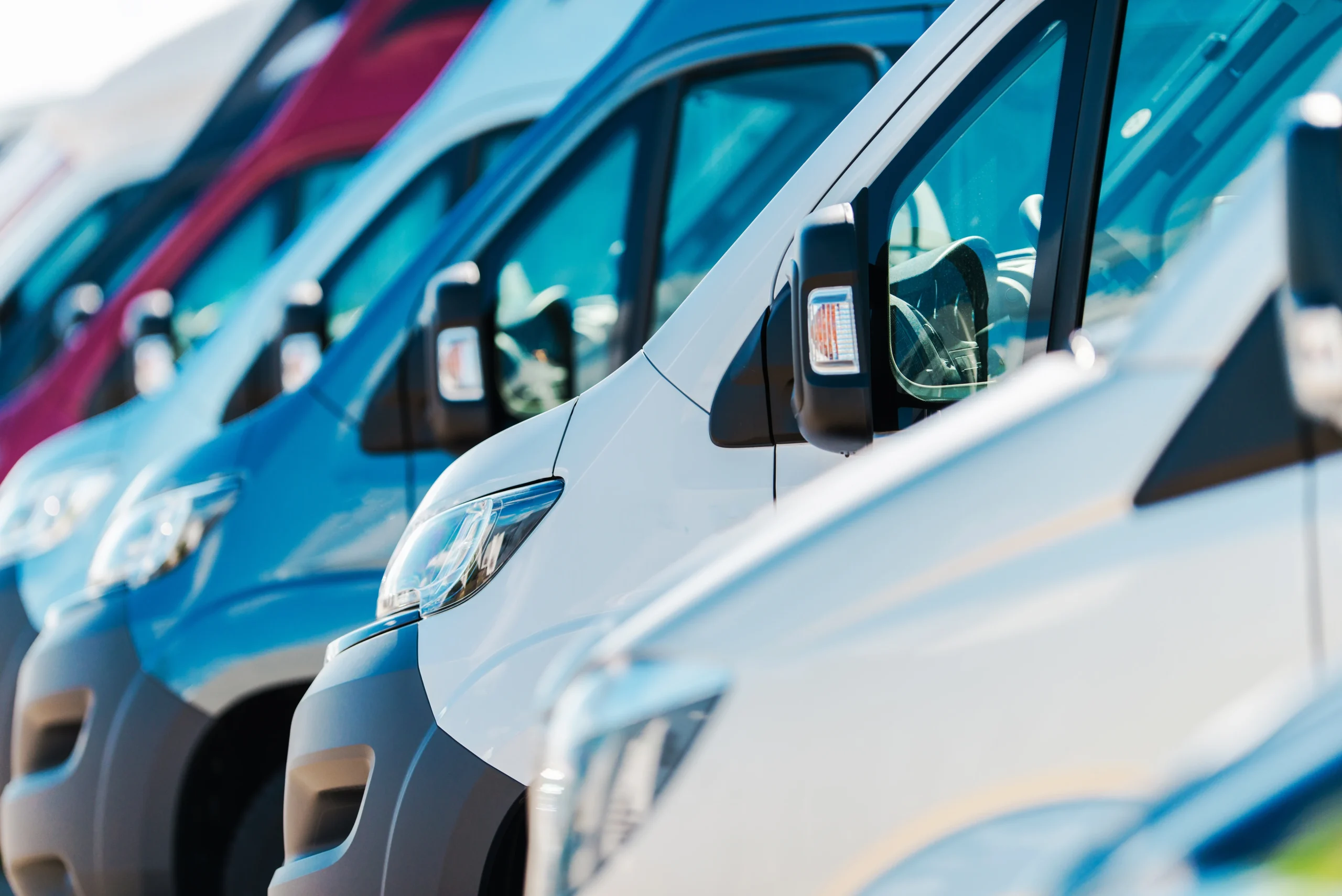
(For Illustrative Purposes Only)
We provide mobile wrong fuel recovery for common commercial van models throughout Scotland.
Our service includes vans such as the following:
- Ford Transit
- Mercedes-Benz Sprinter
- Vauxhall Vivaro
- Renault Trafic
- Volkswagen Transporter
- Peugeot Expert
- Citroën Dispatch
- Toyota Proace
We also assess other van models according to their fuel systems and recovery requirements.
Our technicians can attend petrol forecourts, business premises, residential properties and other safe, accessible locations.
We hold PAS43 and ISO 9001 certifications and use specialist fuel recovery equipment.
Our service offers:
- 24/7 Scotland-wide assistance
- Recovery prices advertised from £129
- No separate call-out fee
- Professional fuel draining and appropriate flushing
- Written recovery documentation
Final pricing depends on the vehicle, contamination and work required.
Call 0800 246 5297 for assistance with your van.
Wrong Fuel in a Company Van: Fleet Manager Protocol and Documentation
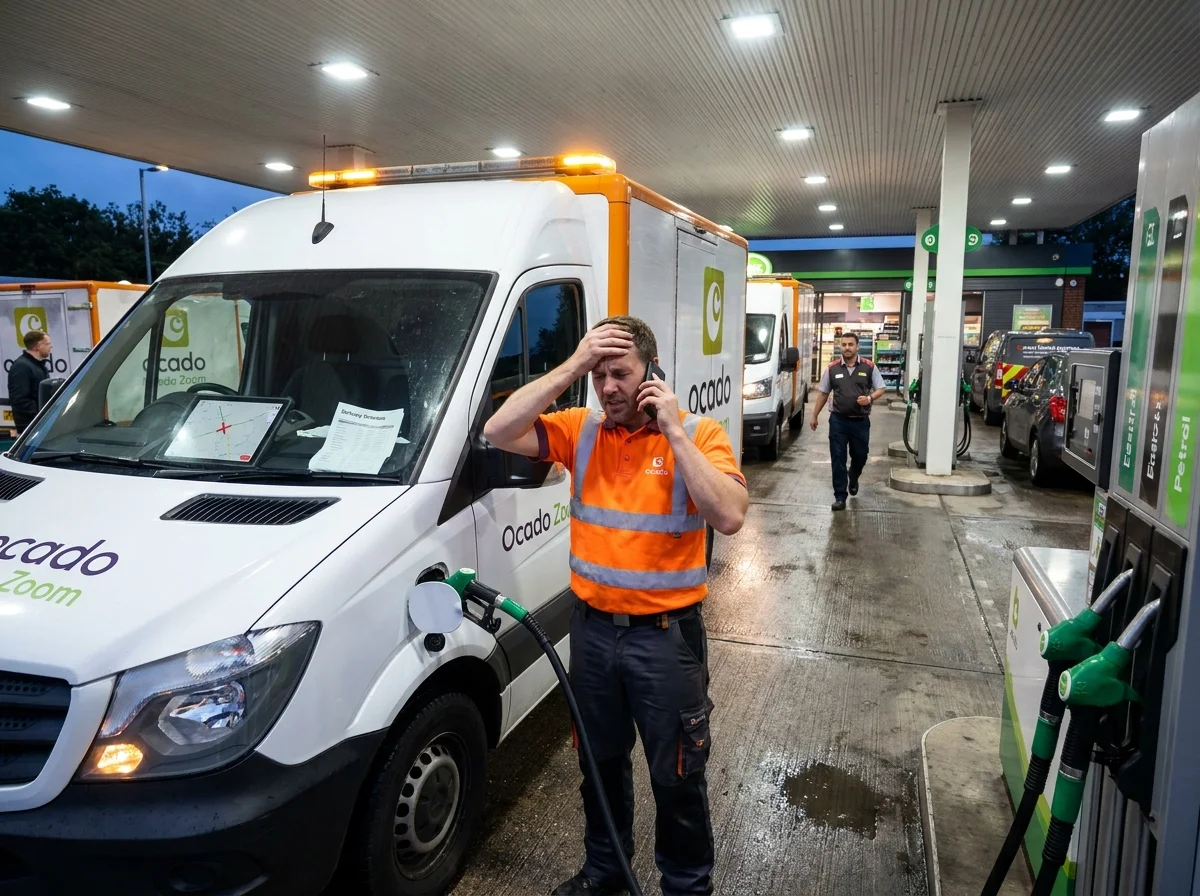
(For Illustrative Purposes Only)
Fleet managers should have a clear procedure for dealing with misfuelling incidents.
- Stop the engine.
Tell the driver not to start or restart the van. If the vehicle is moving, they should stop as soon as it’s safe.
- Arrange professional recovery.
Call our team on 0800 246 5297 and provide the vehicle’s location, registration and contamination details.
- Record the incident.
Keep a record of:
- Vehicle registration
- Driver’s name
- Date and location
- Correct and incorrect fuel types
- Approximate quantity added
- Whether the engine was started or the vehicle was driven
- Check the insurance policy.
Fleet insurance coverage varies. Review the policy and notify the insurer where required.
- Retain recovery documentation.
We provide written job reports following completed recoveries.
Keep the report and invoice for vehicle maintenance, insurance enquiries and business accounting records.
These documents support recordkeeping but don’t automatically establish insurance or tax eligibility.
Frequently Asked Questions
Putting the wrong fuel in a van can cause fuel-system problems, particularly if the engine has been started or driven.
What happens if you accidentally put petrol in a diesel van?
Petrol reduces the lubricating properties of diesel fuel.
If the contaminated mixture circulates through the system, high-pressure pumps and other components may suffer wear or damage.
Keep the engine switched off and arrange professional recovery.
How far can you drive after misfuelling a diesel vehicle before damage occurs?
There is no guaranteed safe driving distance.
Even short journeys can circulate contaminated fuel and increase the risk of damage.
If you’re already driving, stop as soon as it’s safe, switch off the engine and contact us.
What symptoms suggest a van has been filled with the wrong fuel?
Possible symptoms include difficult starting, rough running, loss of power, misfiring, unusual smoke and stalling.
These symptoms can have other causes, so professional assessment may be required.
Don’t restart the vehicle to test whether it has been damaged.
If you add a small amount of petrol to a diesel tank, is it safe to dilute it by filling up with diesel?
We don’t recommend diluting petrol contamination by adding more diesel.
Modern diesel injection systems can be sensitive to reduced fuel lubrication, even when the amount of petrol seems small.
Keep the engine off and arrange professional advice.
How does the risk differ between modern vans and older models with diesel engines?
Many modern diesel vans use high-pressure common-rail systems with tight manufacturing tolerances.
These components can be particularly sensitive to reduced lubrication and contamination.
Some older diesel systems may be more tolerant, but damage is still possible.
For assistance with any van model, call Simple Fuel Solutions on 0800 246 5297.
